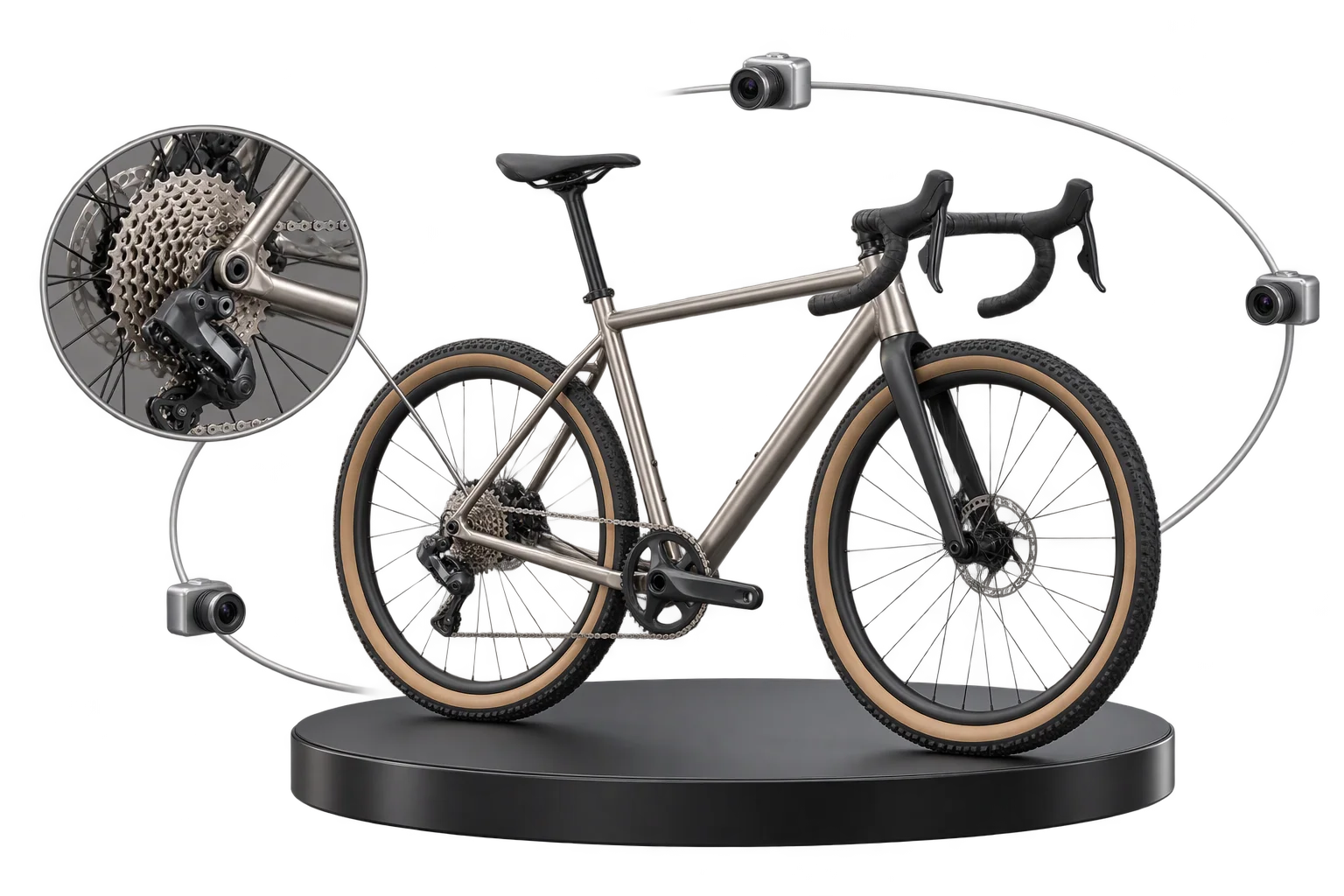
Live dynamic pricing and wholesale quantity breaks
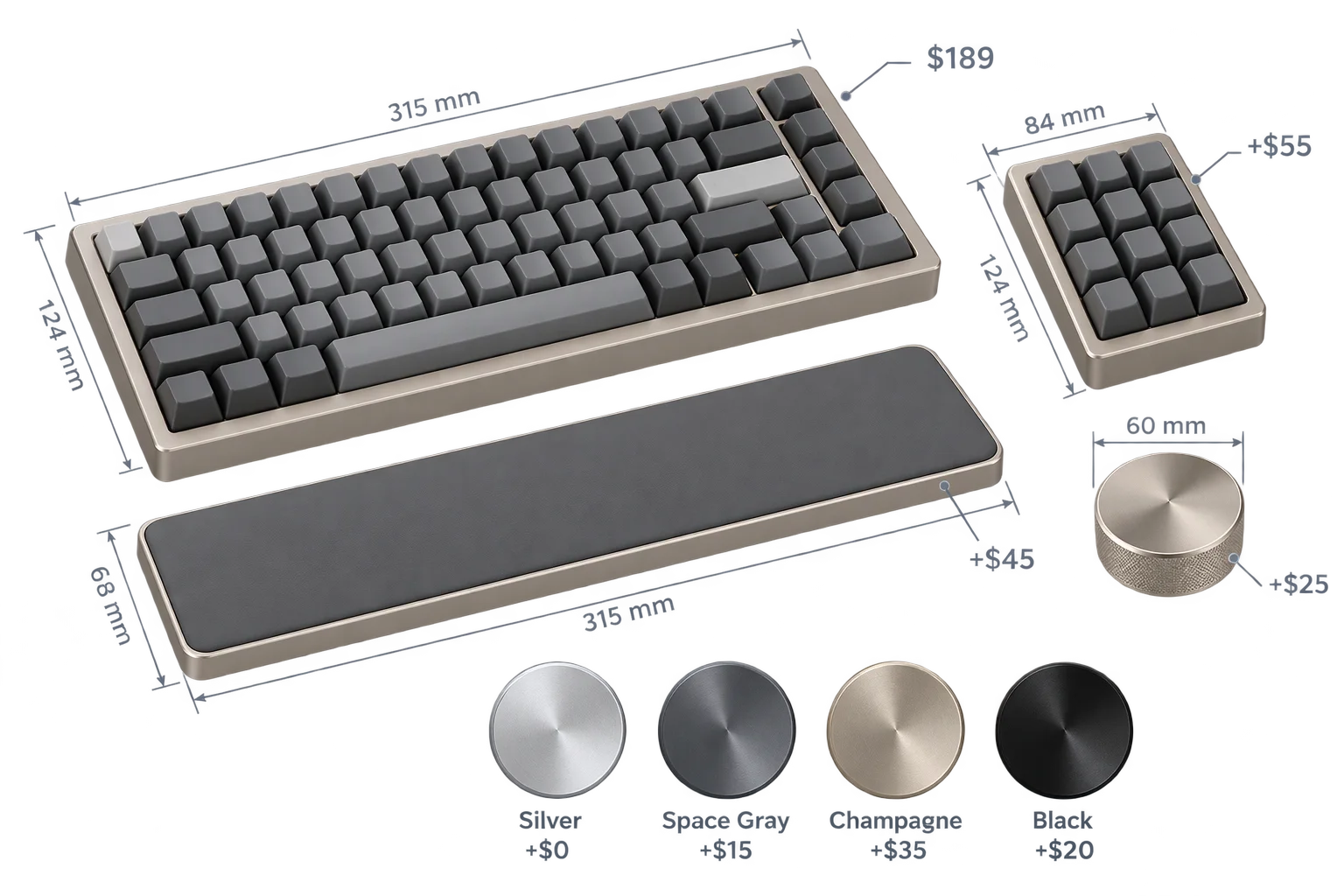
As customers choose finishes, paid add-ons, and quantities, Aircada updates their price in real time and passes the selected configuration and calculated pricing to checkout. Your team manages conditional pricing rules and tiered quantity breaks instead of maintaining a variant for every combination or manually reconciling add-on charges.
Why static ecommerce variants break on custom pricing
Standard ecommerce catalogs pre-generate one SKU per option combination. Once a customizable product adds finishes, hardware upgrades, imprint colors, and bulk quantity tiers, permutations quickly outgrow static store variant limits.
Maintaining hundreds of hidden variants or manual quote forms leads to stale pricing, orphaned cart surcharges, and slow email back-and-forth before a buyer ever commits to purchase. On mountainFLOW's custom bike bottle storefront, replacing a static quote form with live 3D tier pricing across 100 to 1,000 unit brackets, per-color ink surcharges (+$0.20/unit per extra color), and a 500-unit custom Pantone molding minimum cut pre-sale coordination by 10 hours per week and moved nearly every completed order to 200+ units.
In a typical custom order, a shopper picks a base size, adds a paid finish or extra print color, and raises quantity into a higher volume bracket. Aircada evaluates every active option rule and global tier rule in sequence, updates the displayed unit and total price immediately, and forwards the selected configuration and calculated pricing to Shopify or your headless checkout.
How option dependencies prevent invalid orders and misquotes
Static dropdowns let buyers combine incompatible parts or miss minimum order thresholds. Aircada ties pricing rules directly to active 3D option sets and order quantities.

Cross-option conditional surcharges
Every pricing adjustment can check whether another option in a different option set is currently selected or excluded before applying. That lets your team waive an engraving fee on premium bundles, add a setup fee only on specific finishes, or stack multi-part upgrades without duplicating SKUs.
Tiered quantity breaks and MOQ gating
Volume rules attach inclusive minimum and maximum quantity bounds directly to price adjustments. As a shopper steps through quantity tiers, unit pricing recalculates automatically and enforces factory minimums such as unlocking custom-molded colors only at 500+ units.
Automatic state cleanup on option or quantity changes
When a buyer changes a base model or lowers quantity below a minimum order threshold, dependent options and surcharges reset in lockstep. On mountainFLOW's storefront, dropping below 500 bottles automatically reverts custom Pantone bottle and lid colors to stock Translucent with an immediate on-screen notice.
Checkout pricing paths: existing variants, dynamic variants, or headless
Match pricing execution to how your catalog and checkout are structured.
Existing Store Variants
When your product already has pre-defined variants in Shopify, Aircada matches active 3D selections to those existing variant IDs while attaching custom text, artwork, and configuration details as order line-item properties.
- Hooks straight into existing catalog variants, pricing, and inventory
- Captures personalization specs and print files on the cart line item
- Ideal when option combinations fit cleanly within Shopify variant limits
Separating instant browser previews from authoritative checkout totals
Running rule evaluation in the browser keeps the 3D configurator responsive on every click, while authoritative payment enforcement stays on the server. On Shopify storefronts, Aircada fetches your published pricing model server-side to compute the final unit price before matching an existing variant or creating an on-demand checkout variant, preventing client-side price tampering and keeping SKU counts lean.
| Pricing Capability | Verified Engine & Storefront Behavior | How Merchandising Teams Use It |
|---|---|---|
| Base Price & Option Adjustments | Starts from the product base price, applies matching option-level and global additive adjustments, and multiplies unit price by quantity. | Prices finishes, hardware upgrades, and imprints cleanly without creating a separate SKU per combination. |
| Quantity Tier Brackets | Inclusive minimum and maximum unit bounds evaluate automatically whenever a buyer updates order quantity. | Drives visible wholesale price breaks (such as 100 to 1,000 unit tiers) that encourage larger order sizes. |
| Cross-Option Dependencies | Rules evaluate only when a target option in another option set is selected, or only when it is not selected. | Waives fees on premium bundles or triggers special finish surcharges without manual quote checks. |
| Promo & Coupon Discounts | Supports percentage or fixed-amount unit discounts tied to an active coupon code. | Applies campaign or wholesale promo codes directly inside the configurator subtotal. |
| Dataset & Option Synchronization | Supports one-way or two-way sync between product datasets and pricing option sets using either adjustment offsets or total prices. | Keeps catalog swatches and price sheets aligned from a single spreadsheet update. |
| Shopify Server Verification & Variant Housekeeping | Re-evaluates the published pricing model server-side at checkout, creates on-demand variants with preview thumbnails, and bulk-prunes oldest variants before hitting product limits (default 75-variant cap with 10-variant cleanup batches). | Protects margin against client-side tampering while keeping Shopify product records clean over time. |
Responsibility Tiers
- 1 Native Aircada layer
- 1 Aircada Configuration layer
- 1 Custom Implementation layer
- 1 External layer
Responsibility Boundaries Across Dynamic Pricing
How Aircada's pricing engine, Studio rules, and your commerce backend divide responsibilities.
Live rule evaluation, quantity tiers, cross-option dependencies & Shopify variant housekeeping
- Native Aircada
- Evaluates base prices, additive adjustments, quantity brackets, and cross-option dependencies in the browser and recalculates totals server-side during Shopify checkout.
Pricing models, volume brackets, surcharge conditions & dataset sync
- Aircada Configuration
- Configured per product in Studio by arranging option sets, linking dataset price columns, and testing outputs in the built-in checkout simulator.
Custom MOQ prompts, storefront price-breakdown modals & bespoke formulas
- Custom Implementation
- Scoped when a storefront needs custom minimum-order revert warnings, multi-SKU bundle routing, or project-specific surcharge estimators.
Cart checkout, payment capture, taxes & ERP contract pricing
- External
- Enforced by your ecommerce platform (such as Shopify) and downstream ERP or CPQ systems after checkout handoff.
Frequently Asked Questions
How does Aircada handle tiered quantity pricing without pre-creating every Shopify variant?
Can a surcharge or discount depend on what another option the customer selected?
Should I hook into existing Shopify variants or use a dynamic pricing model?
How are minimum order quantities (MOQs) enforced for custom colors or tooling?
Is browser-side price calculation secure enough for checkout?
Replace variant bloat with live pricing rules
Share your option surcharge matrix and volume tiers. We will configure dynamic 3D pricing wired to your checkout.
Related capabilities
Explore the adjacent capabilities and integrations that pair with this workflow.
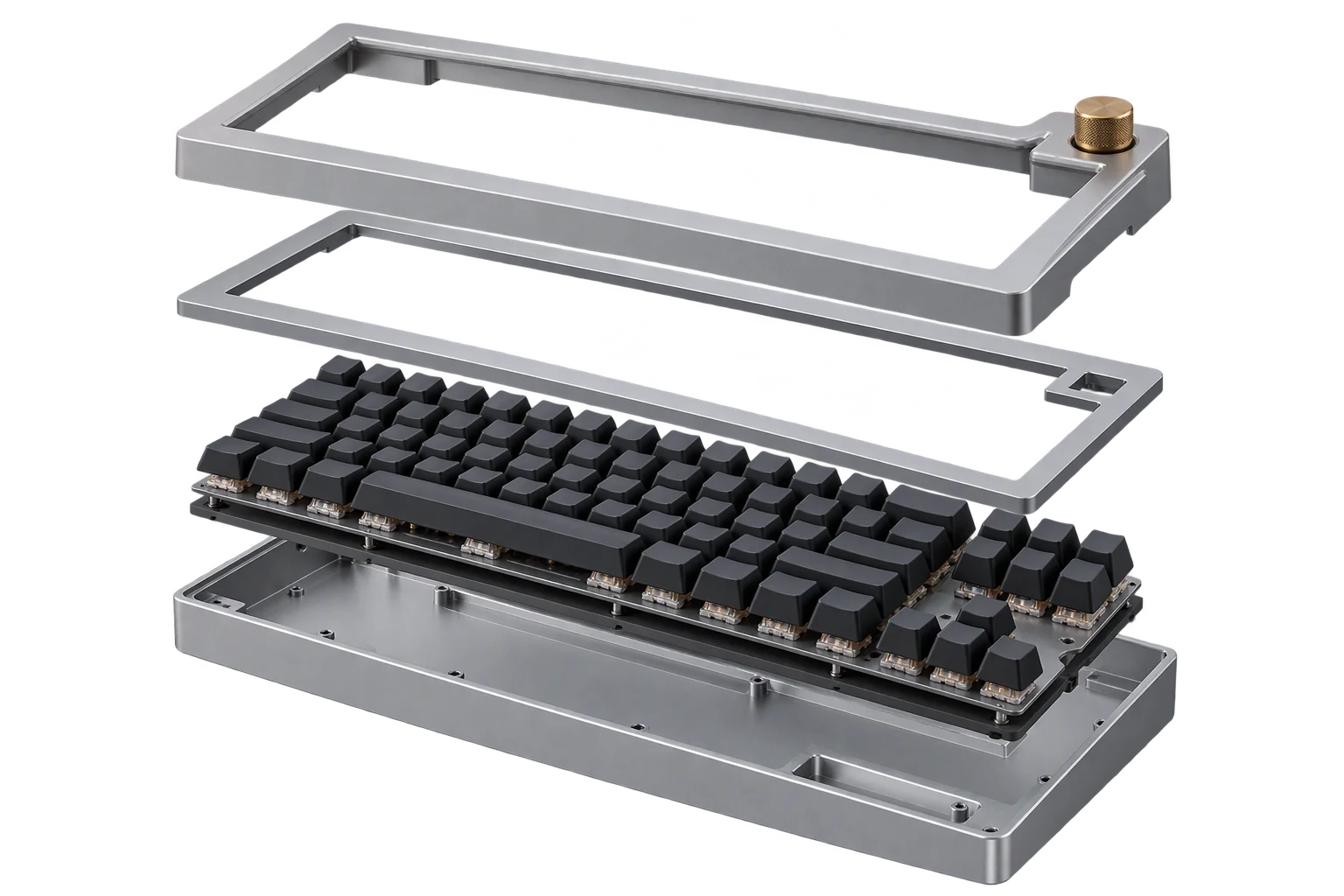
Conditional product rules and part compatibility
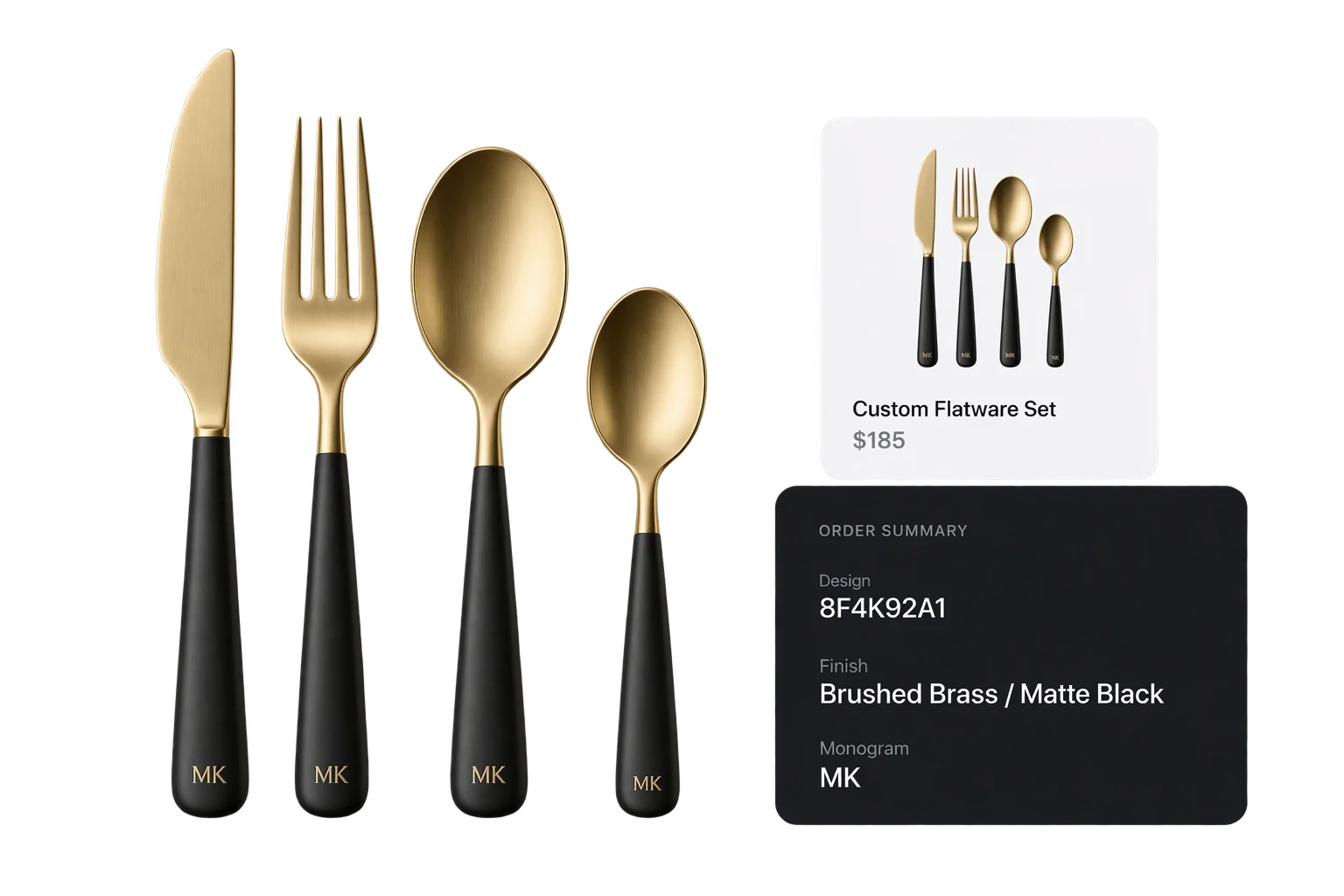
Live 3D cart thumbnails and verified design IDs
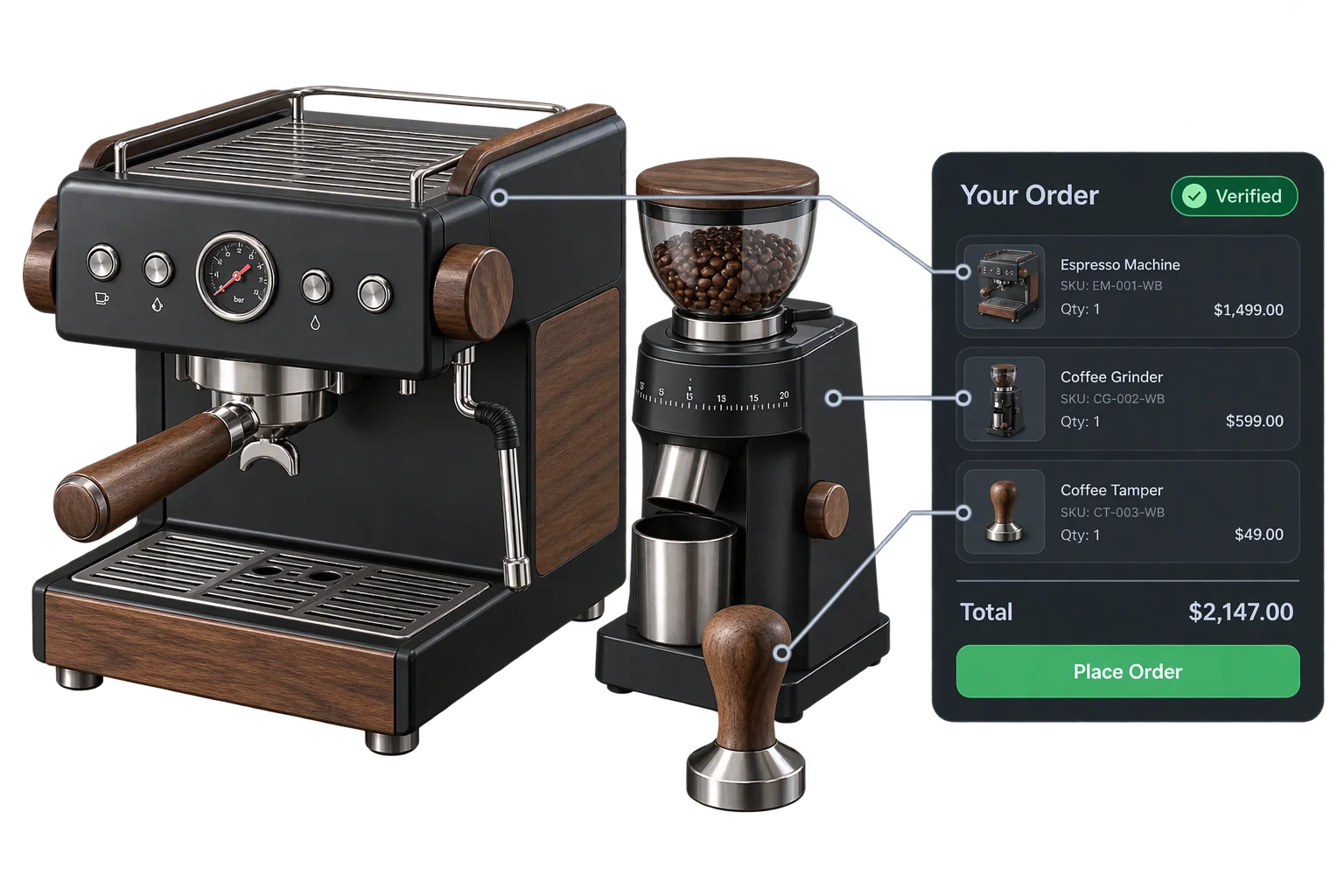
One-click multi-SKU 3D kits and bundle checkout