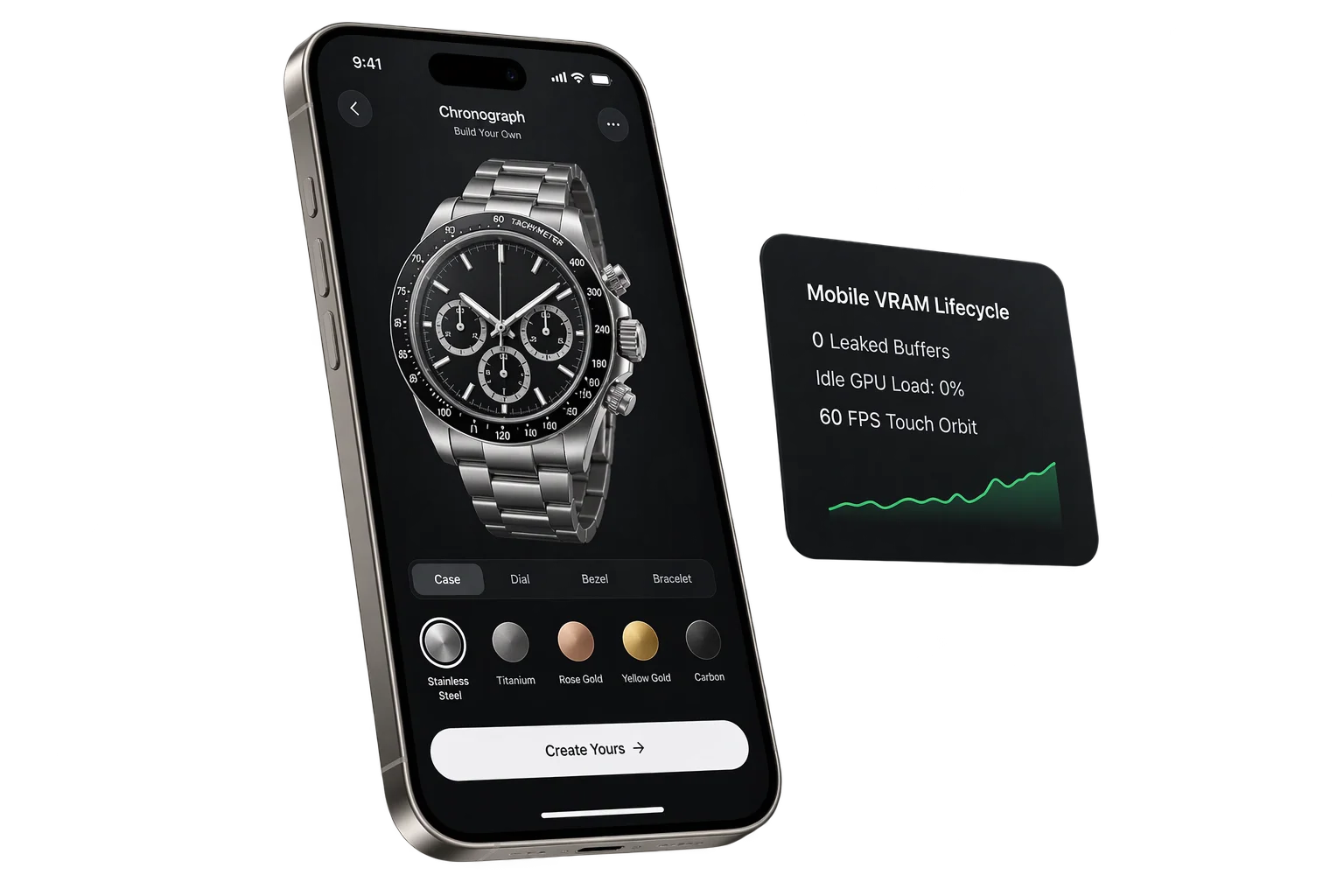
Realistic 3D glass refraction for bottles and gems
Simple alpha transparency makes glass bottles, watch crystals, and luxury eyewear look like hollow plastic shells. Aircada pairs physically based optical transmission (wall thickness, light bending, prism dispersion, and volumetric color depth) with multi-bounce crystal refraction so shoppers inspect internal liquids, labels, and facets at 60 FPS.
Why standard 3D transparency makes luxury glass look like plastic
When selling bespoke spirits bottles, prescription eyewear, architectural glass partitions, or sapphire-crystal timepieces, visual trust depends on how light travels through the material. Standard alpha transparency merely fades polygon opacity without bending background geometry or shifting color across thick edges. A heavy decanter base or domed watch lens ends up looking like a flat, weightless film.
Aircada provides two complementary optical rendering layers directly inside the browser. For bottles, liquids, eyewear, and frosted architectural panels, native physical PBR transmission combines real-world Index of Refraction (IOR 1.0 to 2.5), physical wall thickness (0 to 5), volumetric color attenuation, and spectral dispersion (0 to 1). For cut crystal and faceted jewelry, a dedicated multi-bounce refraction shader traces up to eight internal reflections with per-channel RGB chromatic aberration across an equirectangular environment map.
Every customer-selected glass tint, frosted finish, lens coating, and engraving zone binds directly to Shopify or headless storefront pricing and checkout metadata, paired with high-resolution visual proofs so buyers and production teams confirm the exact specification before fulfillment.
Optical effects engineered for high-end product categories
DIELECTRIC SHADER SHOWCASE

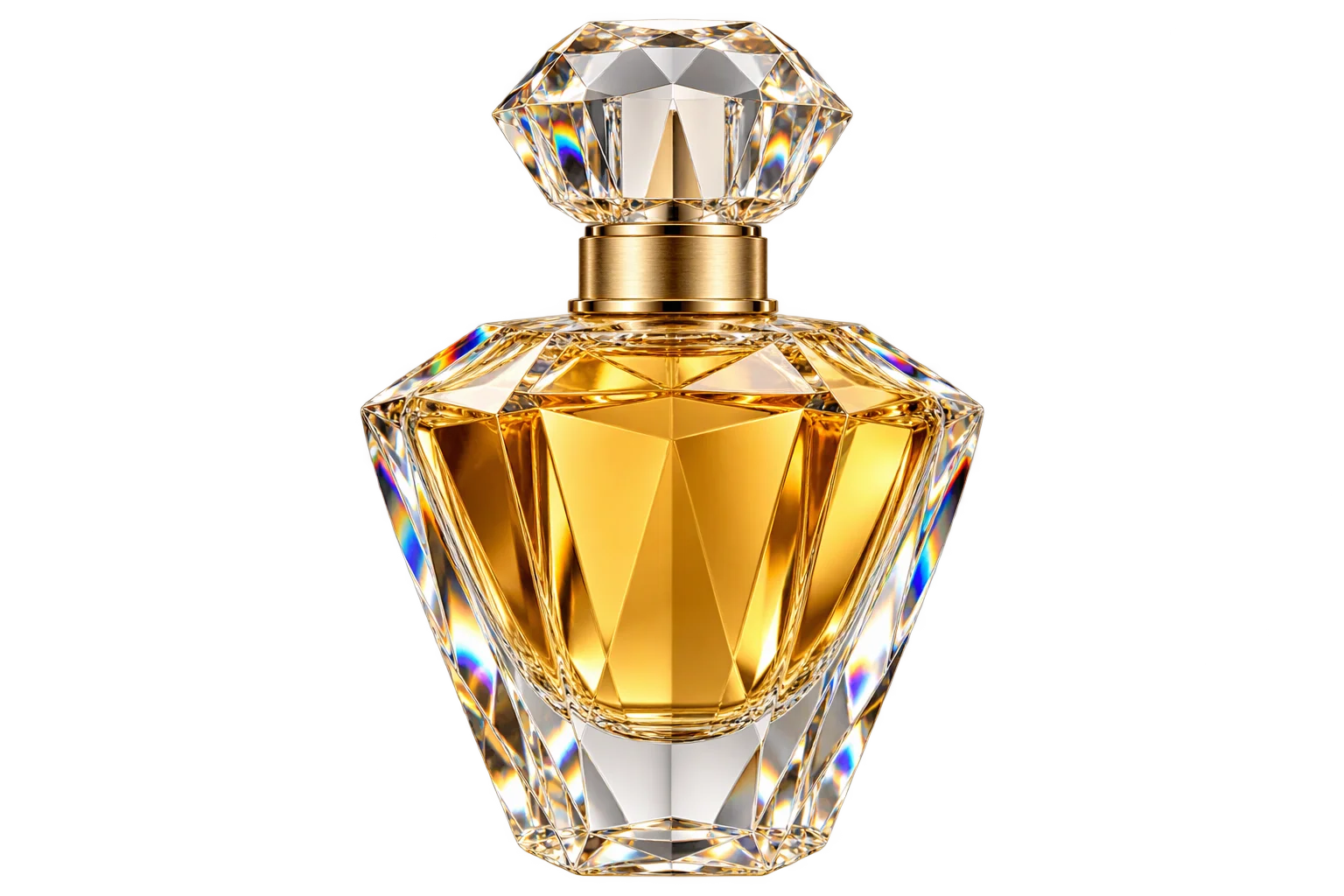
Thick-walled flint glass and spirits decanters
Refracts internal liquid volumes, embossed lettering, and back-wall labels with calibrated thickness and volumetric tint attenuation at IOR 1.51 to 1.54.
Read More about Thick-walled flint glass and spirits decanters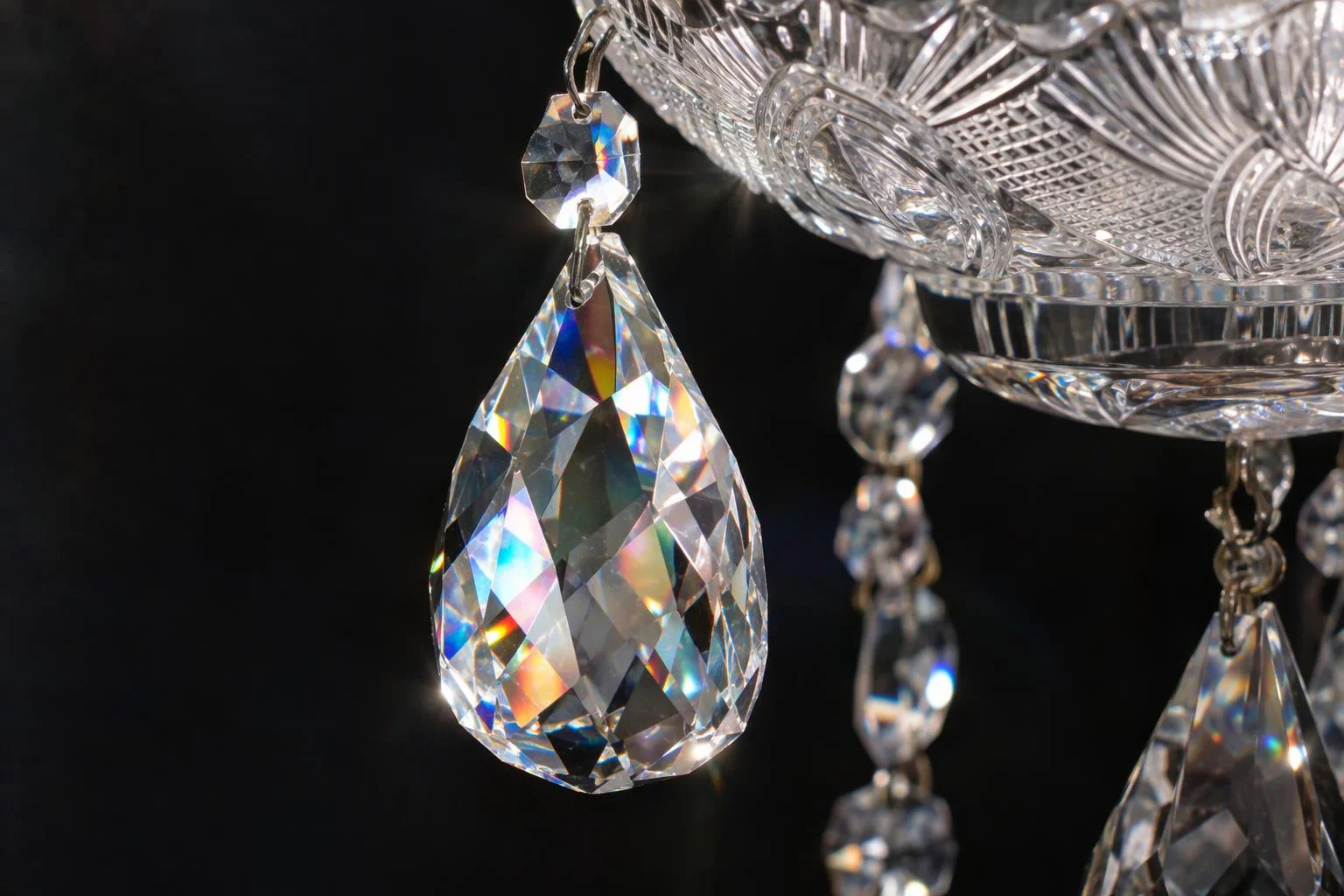
Gemstone and leaded crystal prism dispersion
Traces up to 8 internal light bounces and separates red, green, and blue refraction indices to produce authentic fire on diamonds (IOR 2.417) and cut crystal.
Read More about Gemstone and leaded crystal prism dispersion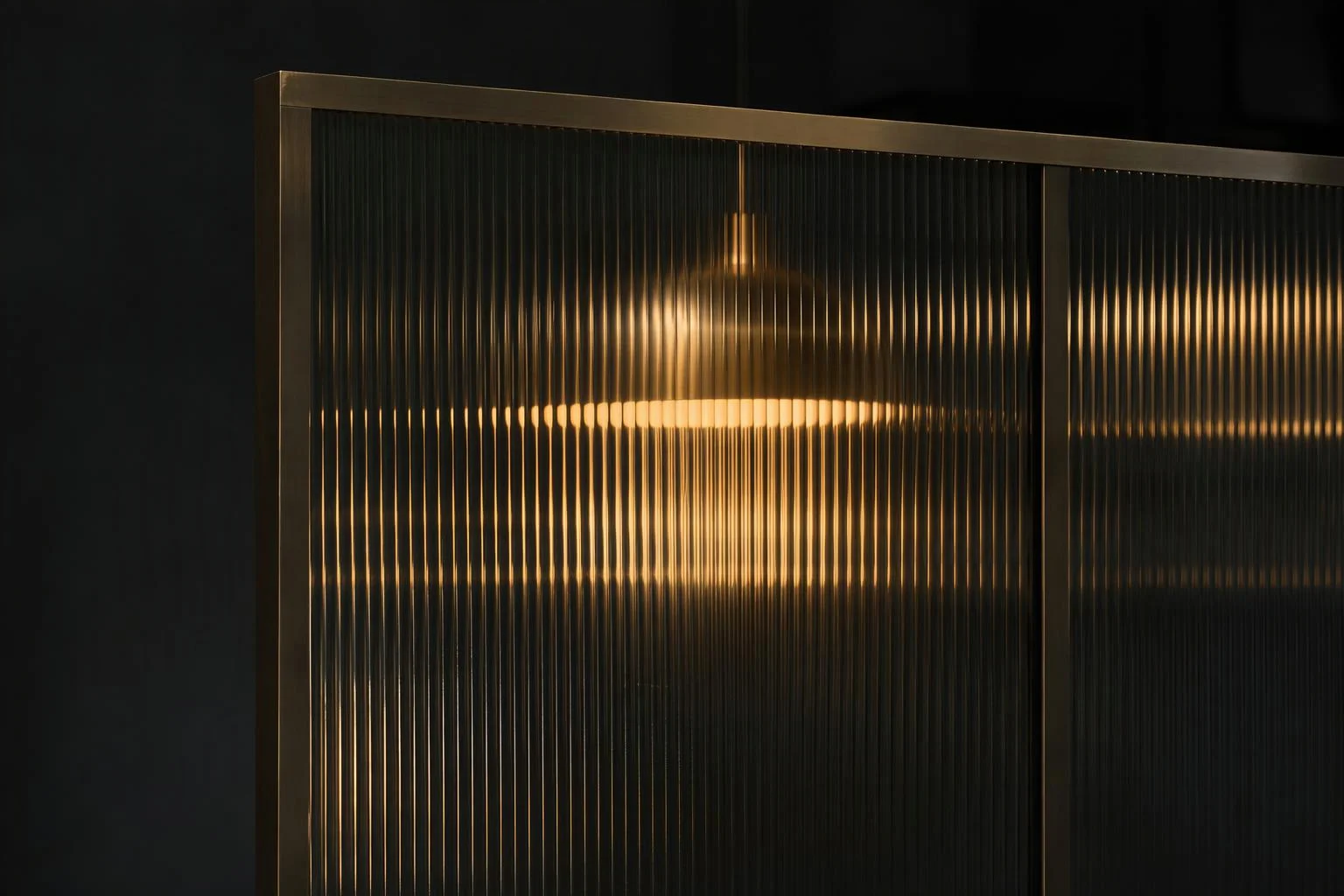
Architectural fluted glass and frosted finishes
Pairs physical transmission and IOR with normal-map fluting, roughness maps, and specular intensity for shower enclosures, pendant shades, and smoked partitions.
Read More about Architectural fluted glass and frosted finishes
True-to-life light bending through thick glass and liquids
Native physical transmission evaluates light passing through clear, tinted, and frosted dielectric materials in real time. Instead of faking transparency with opacity sliders, Studio operators dial in exact physical optical parameters and optional grayscale texture maps to vary clarity, frost, and wall thickness across a single part.
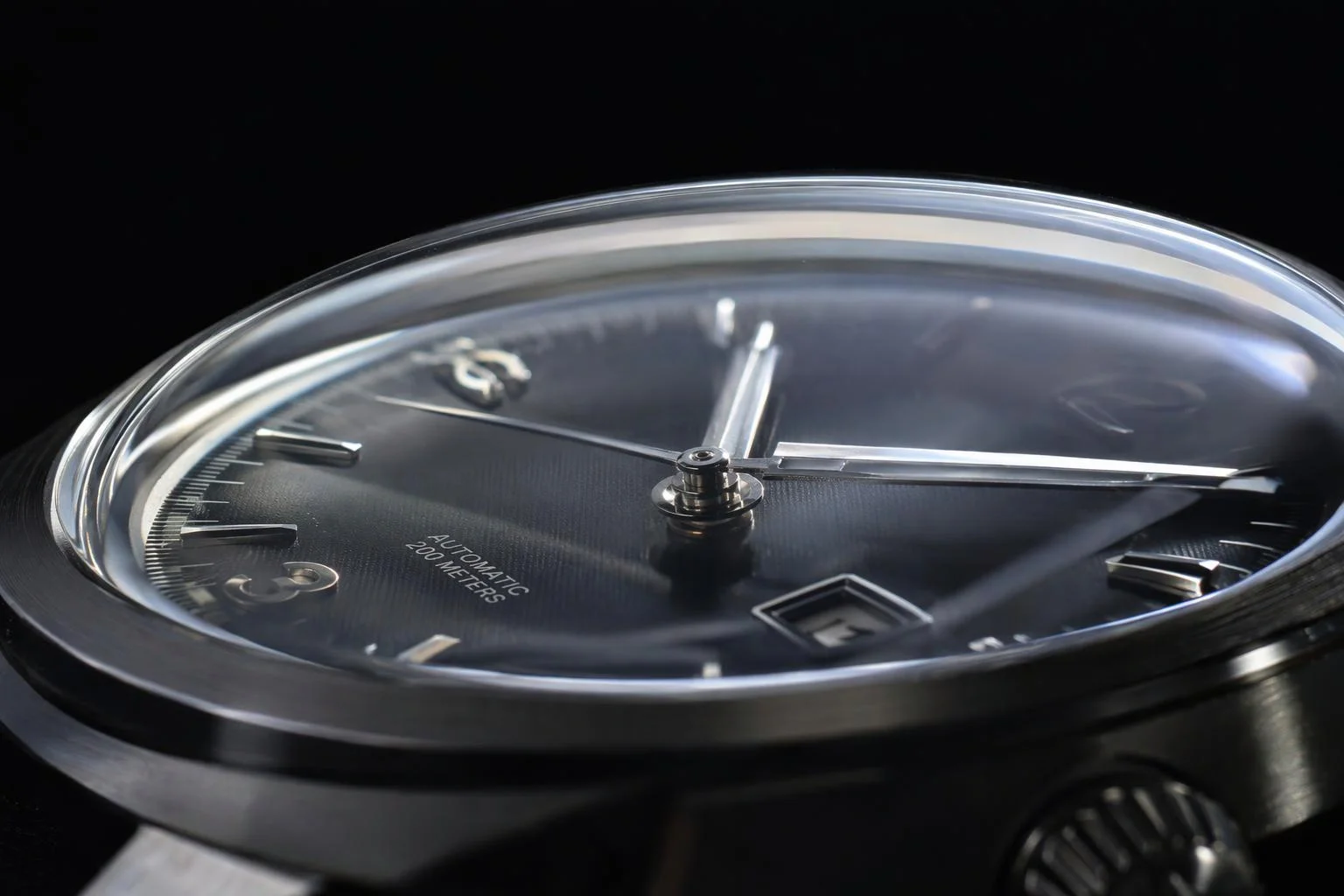
Internal reflections and RGB dispersion on crystal and gemstones
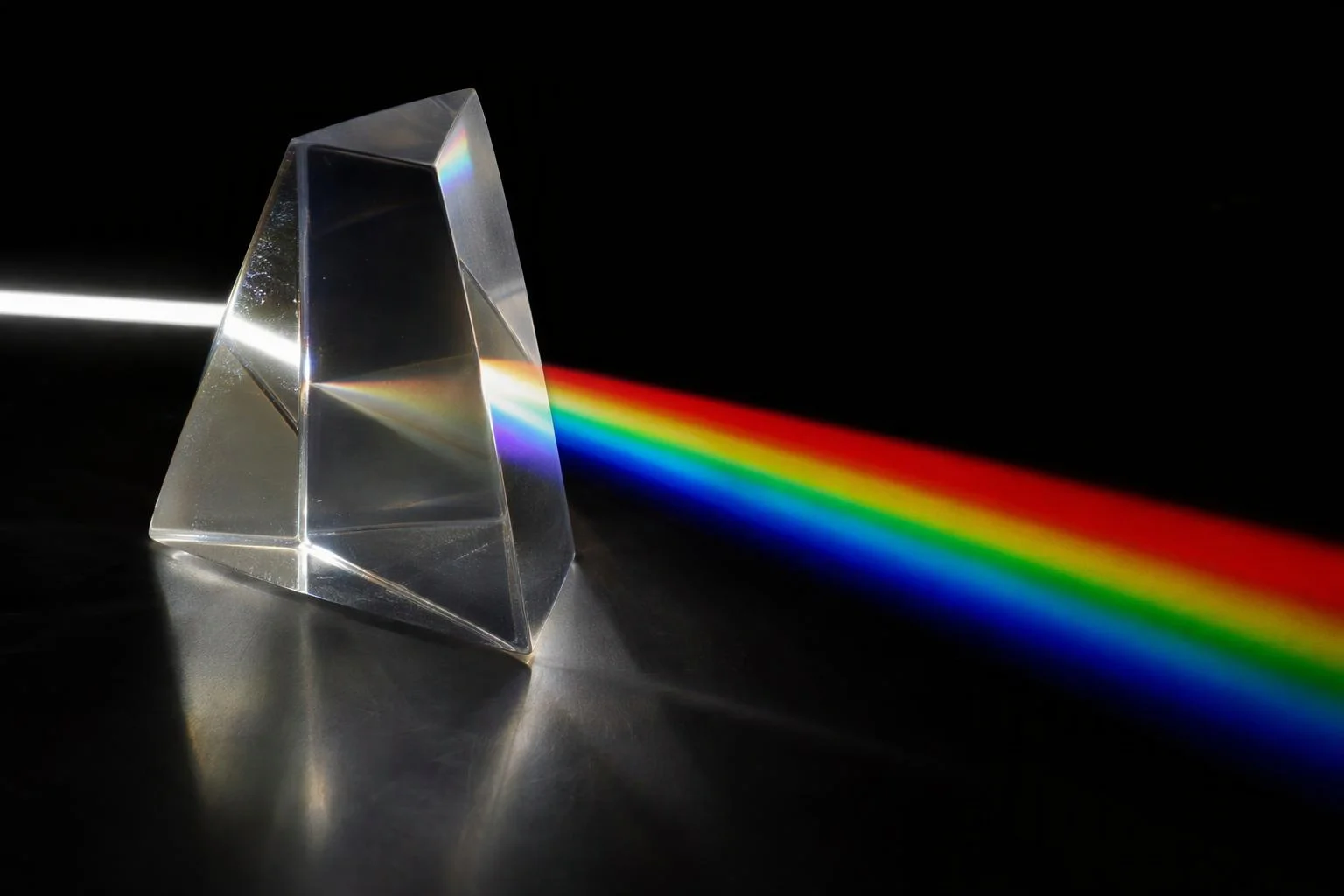
High-index gemstones and cut crystal bounce light internally several times before exiting, bending blue wavelengths more sharply than red. Aircada's dedicated mesh refraction shader traces multi-bounce total internal reflection inside a 20-facet convex proxy while splitting Red, Green, and Blue rays along offset IOR curves.
| Material Category | Physical IOR | Recommended Mode | Key Studio Parameters |
|---|---|---|---|
| Water & Clear Beverages | 1.333 | Native PBR Transmission | Transmission 0.95 to 1.0, low roughness, subtle attenuation color for tinted liquids |
| Polycarbonate & Eyewear Lenses | 1.490 to 1.586 | Native PBR Transmission | Low thickness (0.1 to 0.4), tinted color/attenuation, optional iridescence for anti-reflective coatings |
| Borosilicate & Spirits Bottle Glass | 1.517 to 1.540 | Native PBR Transmission | Thickness 1.0 to 3.5, attenuation color for amber/green glass, roughness map for frosted logos |
| Synthetic Sapphire (Watch Crystals) | 1.768 | Native PBR or Mesh Refraction | Zero roughness, crisp HDR reflections, subtle dispersion (0.05 to 0.15) on beveled edges |
| Diamond & Faceted Lead Crystal | 2.000 to 2.417 | Multi-Bounce Mesh Refraction | IOR 2.0 to 2.42, 3 to 6 internal bounces, chromatic aberration 0.01 to 0.04, smooth mip correction enabled |
Responsibility Tiers
- 1 Native Aircada layer
- 1 Aircada Configuration layer
- 1 Custom Implementation layer
- 1 External layer
Responsibility Boundaries for 3D Glass & Optical Materials
How Aircada's physical optical pipeline, Studio parameters, and 3D glass geometry divide responsibilities.
Native PBR optical transmission & multi-bounce gemstone refraction shader
- Native Aircada
- WebGPU and WebGL2 execution of physical transmission, thickness, volumetric attenuation, dispersion, and multi-bounce (1 to 8) RGB chromatic refraction with smooth mip correction.
IOR, thickness, dispersion, bounce count, attenuation & frost maps
- Aircada Configuration
- Configured in Aircada Studio's Material inspector to match crown glass, sapphire crystal, eyewear lenses, or faceted gemstones.
Option-driven tint switching & frosted engraving mask bindings
- Custom Implementation
- Connecting sunglass lens tints, bottle glass colors, internal liquid levels, or sandblasted roughness masks to shopper customization options.
Modeling inner and outer wall thickness on 3D glassware and lenses
- External
- Authoring manifold 3D glass meshes with accurate wall thickness and clean vertex normals in Blender, Rhino, or SolidWorks.
Frequently Asked Questions
Can customers see labels or liquid inside a glass bottle through the refracted surface?
Does real-time glass refraction require a high-end desktop GPU?
Should I model glass bottles with actual wall thickness or a single polygon layer?
Can I combine frosted roughness, anti-reflective coatings, or tinted colors with glass refraction?
Ground your products with studio contact shadows
Anchor transparent glassware, furniture, and hardware to the studio floor with configurable soft ground shadows.
Related capabilities
Explore the adjacent capabilities and integrations that pair with this workflow.
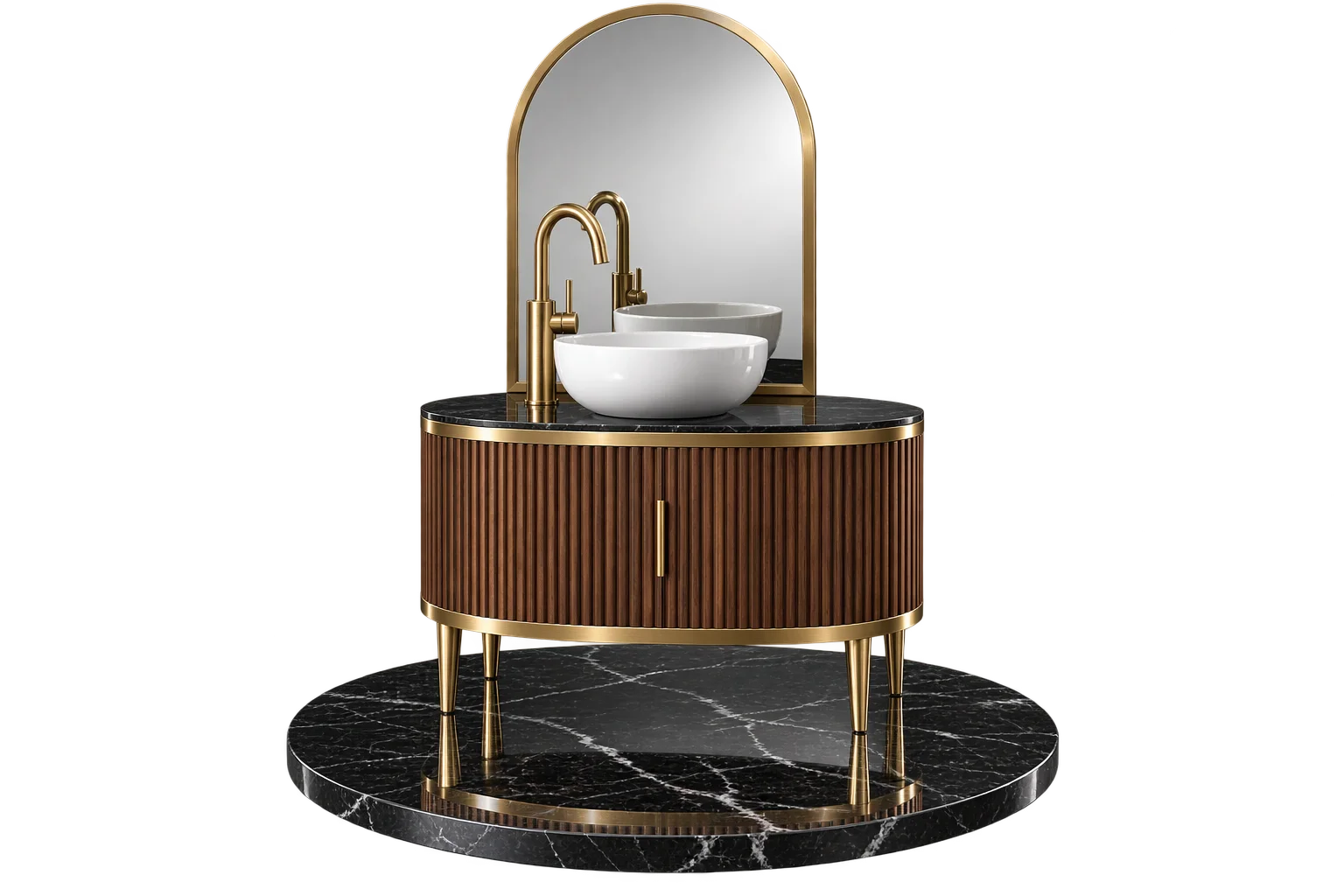
True-to-life 3D mirrors, chrome, and floor reflections
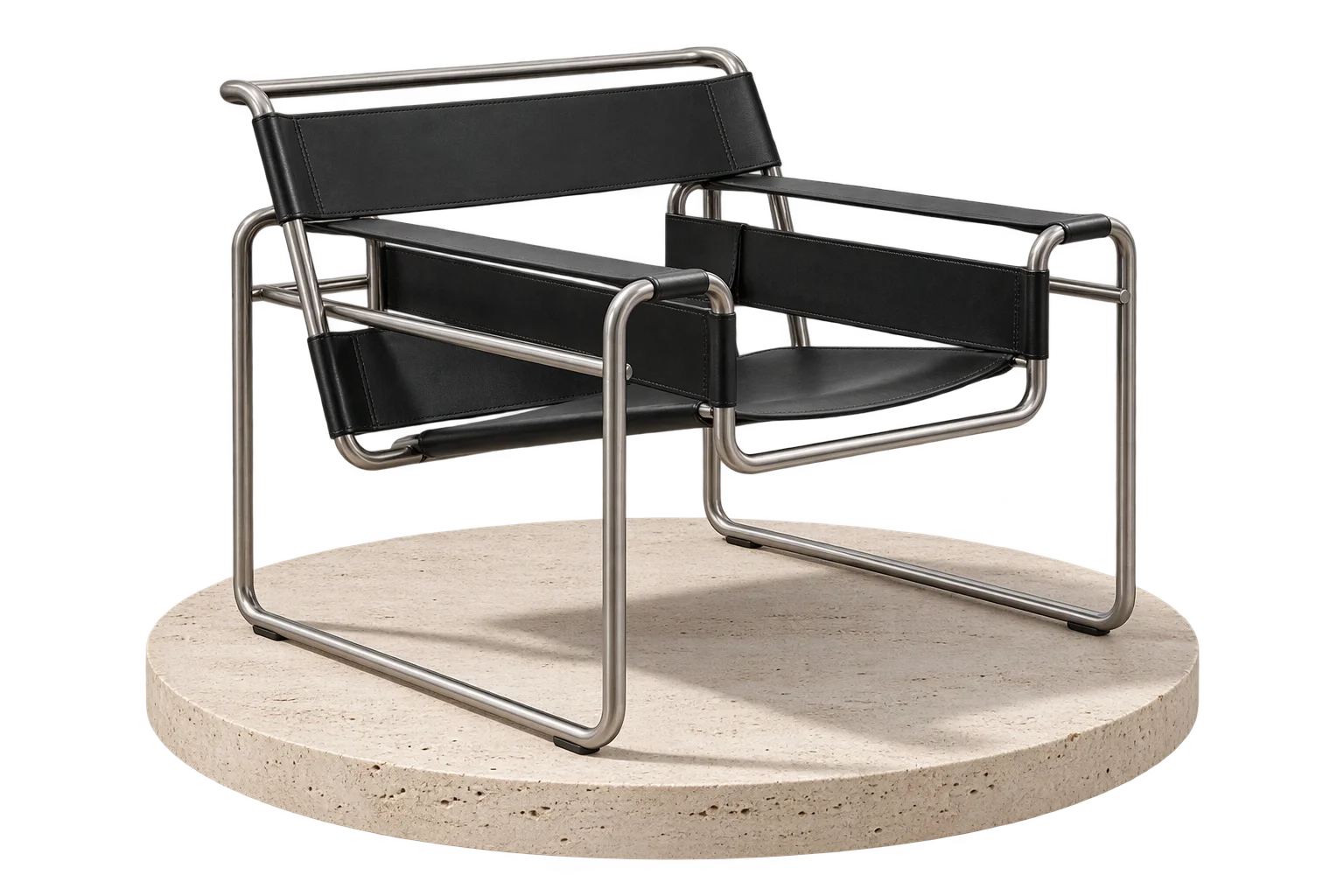
Auto-resizing studio floor shadows for 3D models
Live video playback on 3D screens and displays