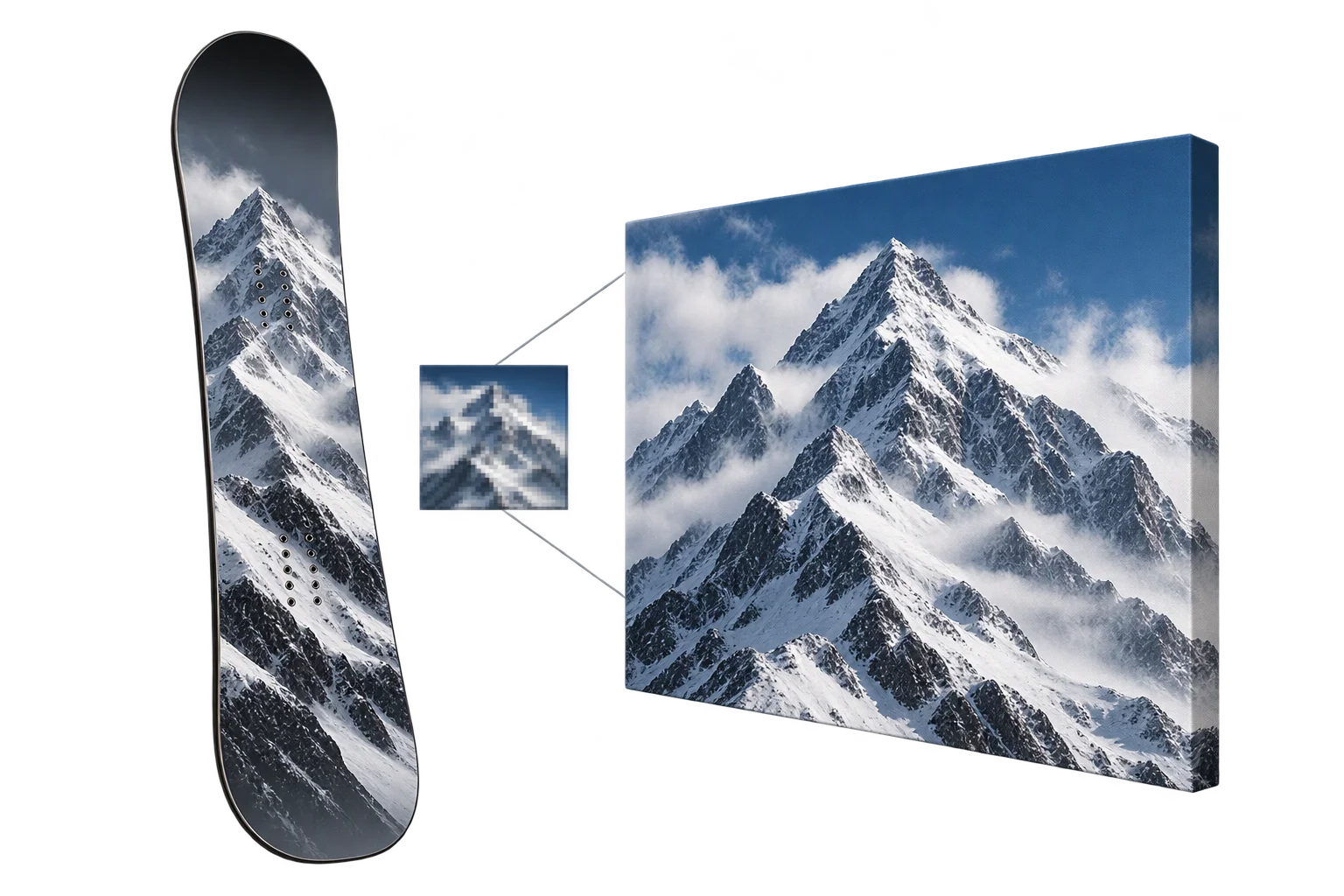
Browser-rendered 4K and 8K product proof exports
Turn a customer's customized 3D product into a sharp 4K or 8K PNG, JPEG, or WebP image directly in the browser, even on mobile. Give your team high-resolution product images and visual proofs without recreating the design or relying on blurry screenshots.
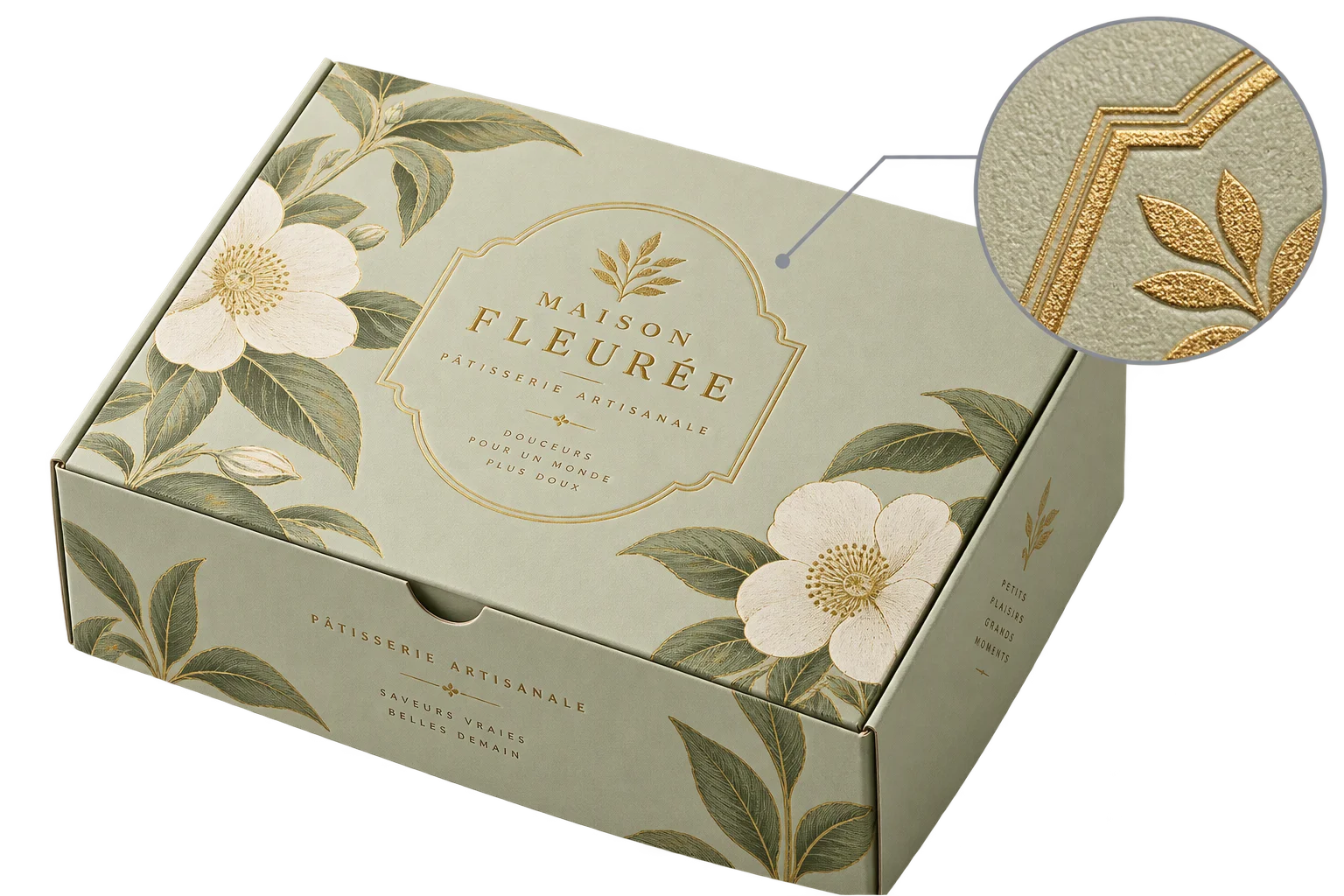
Standard viewport screen grab vs. 8K tiled capture
Keep full material grain and razor-sharp wrap edges at print and zoom scale without overflowing mobile GPU memory.
Soft edges and mobile GPU limits
Capturing the live viewport directly locks output to screen resolution, while single-pass 8K buffers exceed mobile browser memory limits.
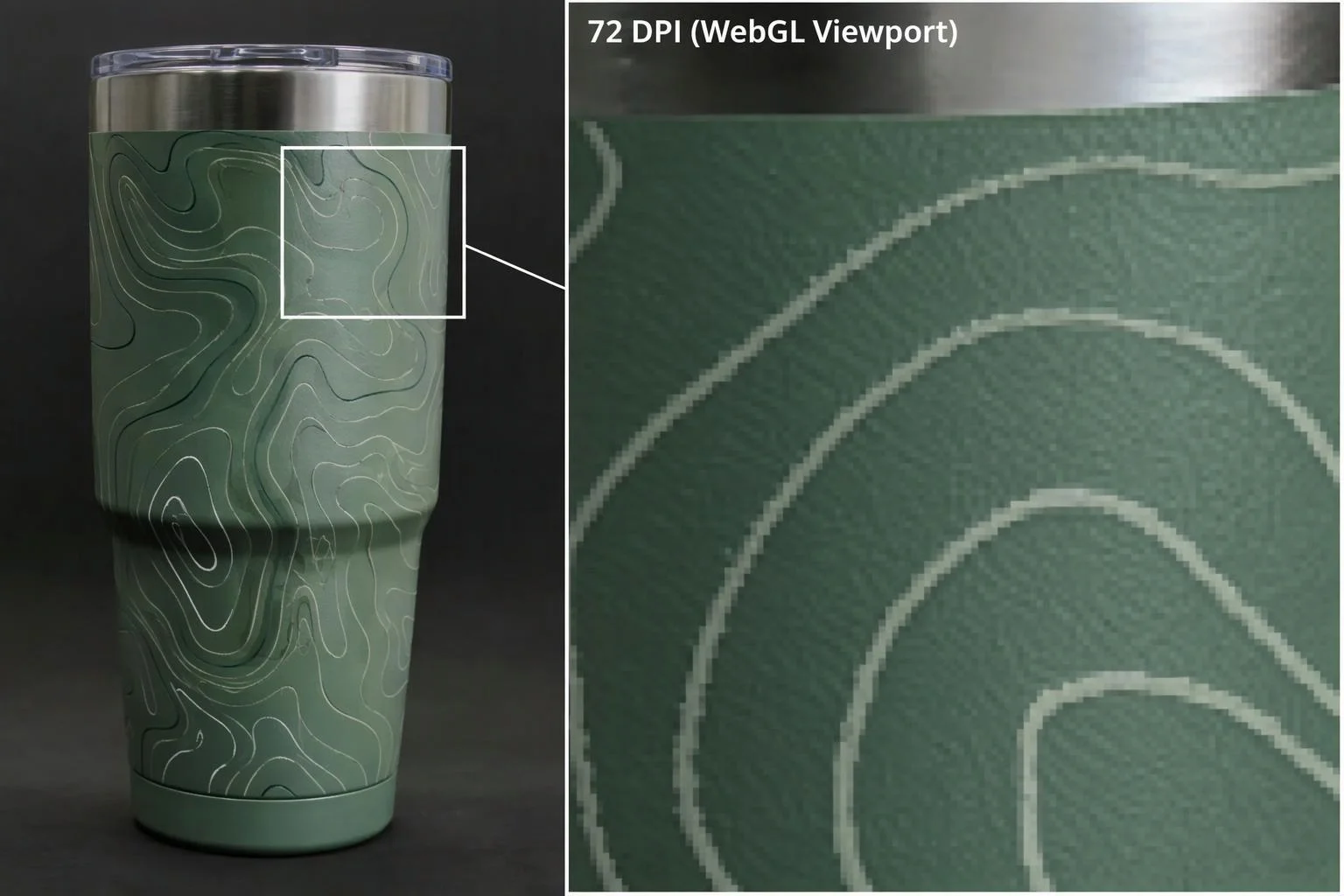
Screen-resolution grabs blur and pixelate when zoomed on catalog pages or printed as proofs
Allocating one massive 8K canvas triggers out-of-memory tab crashes on smartphones
Flat viewport grabs bake in the page background, requiring manual masking in Photoshop
Low-DPI captures force operations teams to rebuild orders manually in desktop 3D tools
Stitch-free 4K and 8K renders on any device
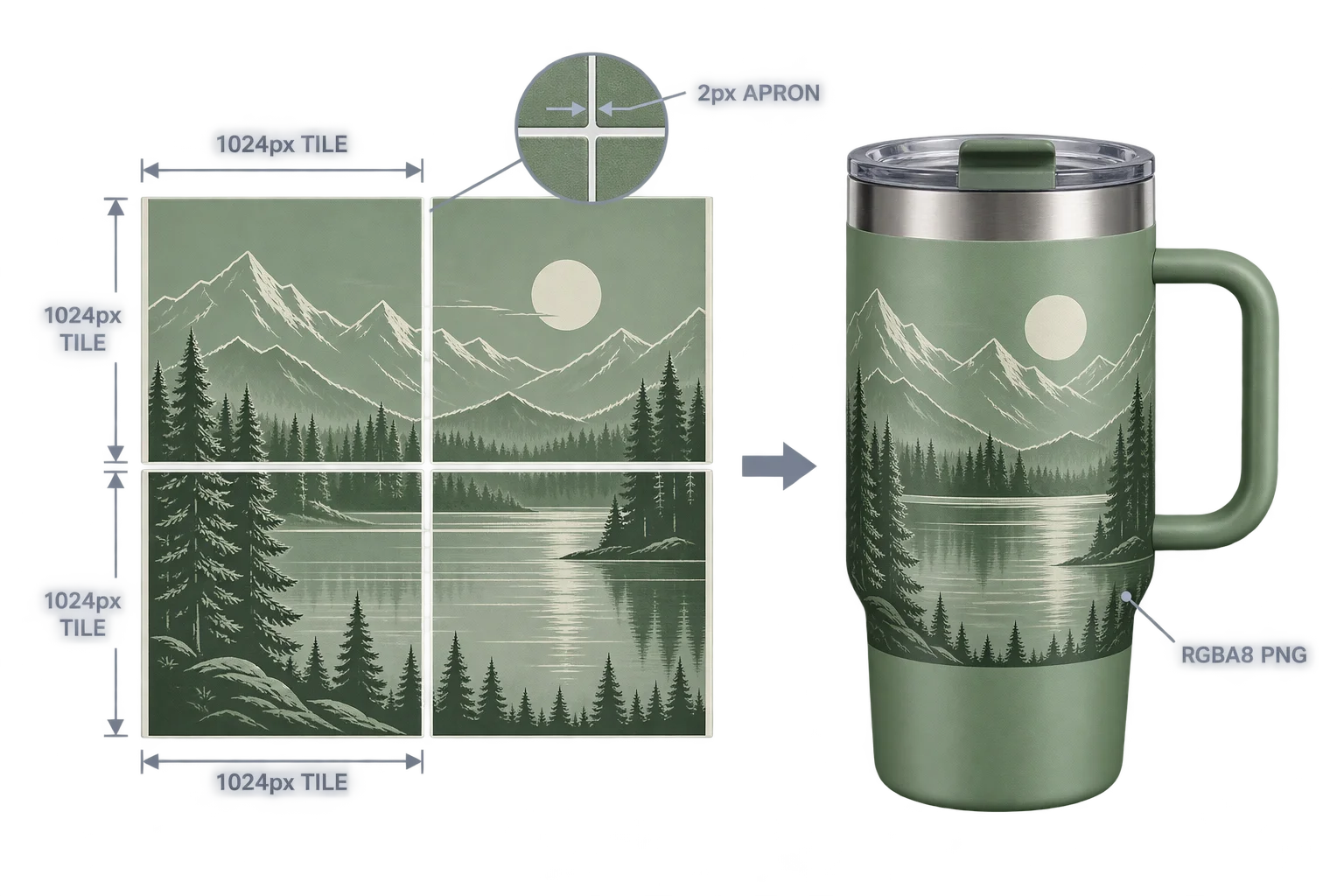
Subdividing the frame into 1024-pixel offscreen tiles with 2-pixel seam aprons delivers full 4K and 8K detail safely on phones and desktops.
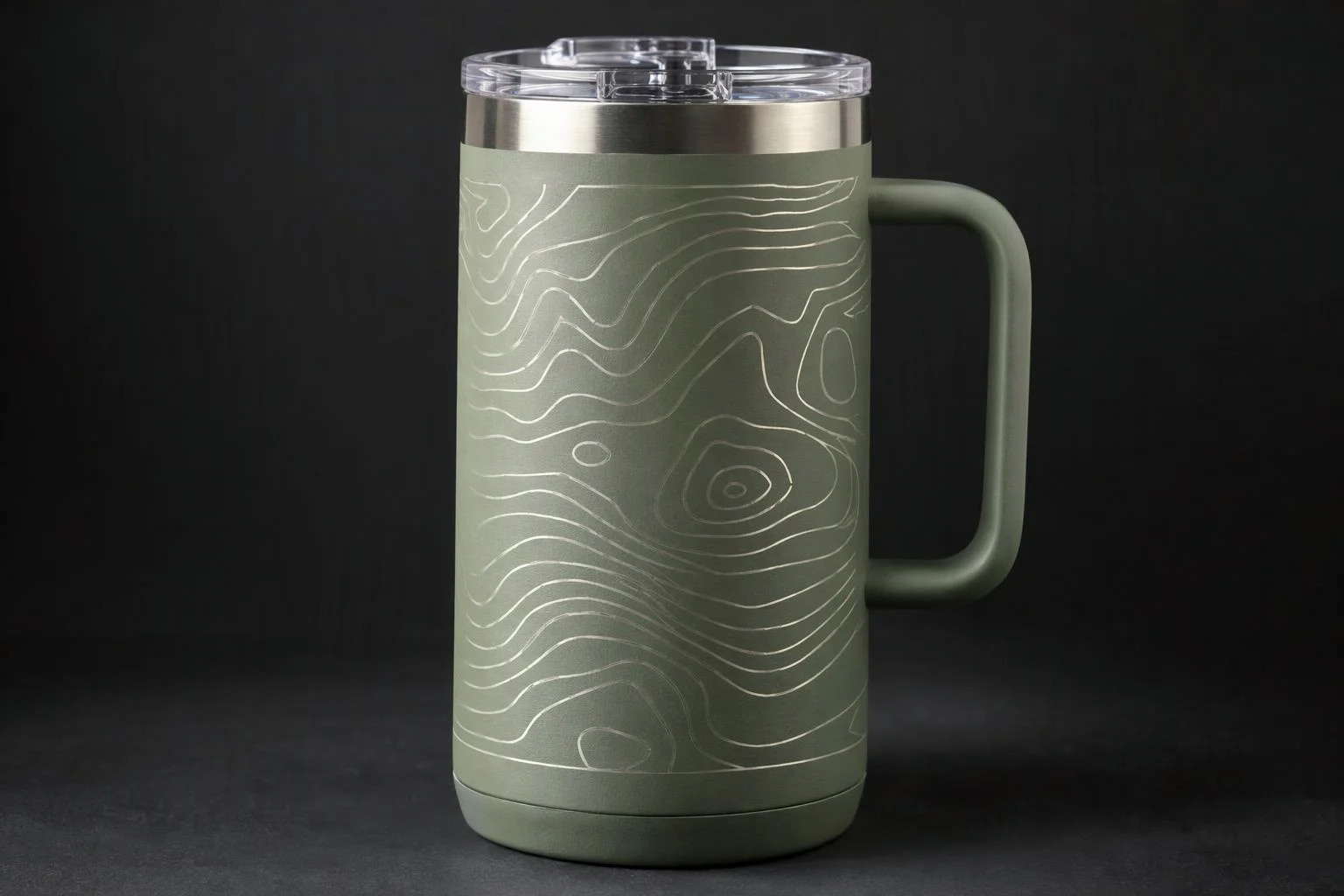
Renders 4K and 8K assets inside mobile-safe 1024 x 1024 GPU tiles auto-fitted to hardware limits
2-pixel overlap apron and 64-pixel row alignment eliminate tile seams and skewed pixel rows
Preserves clean 32-bit transparent alpha straight out of the browser for PNG and WebP exports
Delivers downloadable files or temporary media assets ready to attach to checkout orders
Why standard browser screenshots fail for catalogs and proofs
A 3D product preview that looks sharp inside an 800-pixel storefront viewport turns blurry and stair-stepped when zoomed on a catalog page or sent as a production proof. Requesting an 8K image in a single GPU buffer exceeds mobile hardware memory limits and can stall or crash the shopper's browser tab right before checkout.
For example, when a customer finishes customizing a bakery pastry box or drinkware wrap on their phone, Aircada generates a 4K or 8K image of that exact design in PNG, JPEG, or WebP format without touching a cloud render farm. Your team receives a crisp product image for Shopify or headless order records, catalog cards, or visual proofs without recreating the customer's selections by hand.
Sharp images without visible tile seams
Naive tile splitting leaves faint grid lines wherever curved silhouettes, specular highlights, or anti-aliased edges cross a sub-frame boundary. Misaligned GPU memory row pitches can also skew pixel rows when buffers copy back to system memory.
Whenever a capture exceeds 4096 pixels (or runs through tiled capture), Aircada subdivides the target 4K or 8K output into offscreen 1024 x 1024 pixel tiles (auto-fitted to each device's GPU texture ceiling), pads every tile with a 2-pixel overlap apron on all sides, and aligns tile widths to 64-pixel multiples (256-byte row pitch). During stitching, the compositor discards the outer apron and copies only settled interior pixels while the shopper's live viewport stays undisturbed.
From live 3D customization to stitched 8K image
Three deterministic offscreen stages run inside the browser without freezing or disrupting the shopper's view.
Split target frame into GPU-safe 1024 px tiles
DECOMPOSESubdivides 4K, 8K, or custom print dimensions into a grid of 1024 x 1024 pixel tiles, automatically shrinking tile size if a phone's GPU texture ceiling is lower. Each tile adds a 2-pixel overlap apron on every side and aligns its buffer width to 64-pixel multiples so hardware row pitches never skew.
Capture each tile offscreen and read tight RGBA pixels
RENDERSaves the shopper's active viewport state, renders each tile offscreen in sequence within safe mobile GPU memory budgets, and pulls tight 32-bit RGBA pixel buffers via asynchronous GPU readback (falling back cleanly to synchronous readback on older browsers) before restoring the live view.
Crop aprons, resample if needed, and encode PNG, JPEG, or WebP
STITCHDiscards the 2-pixel overlap border from every tile, stitches settled interior pixels into one full canvas with proper vertical orientation, optionally applies high-quality resampling to exact target output dimensions, and encodes transparent PNG, WebP (configurable quality, default 0.92), or JPEG for download or checkout attachment.
What your team receives from tiled capture
Every capture exports a stitched, print-resolution raster asset with preserved lighting, aspect ratio, and optional alpha transparency.
Configured 3D product + active framing
Composite 4K / 8K PNG, JPEG, or WebP export
1024 x 1024 px per pass (auto-fitted to device GPU texture limit)
2 px overlap apron per tile + 64 px (256-byte) row-pitch alignment
32-bit RGBA8 tight buffer readback preserving clean alpha channels
Transparent PNG, WebP (0 to 1 quality, default 0.92), or opaque JPEG
4K, 8K, or custom print dimensions (auto-tiled above 4096 px)
Asynchronous GPU readback with automatic synchronous fallback
Runs client-side directly inside the shopper's browser so 4K and 8K captures require zero cloud render-farm infrastructure.
Alpha transparency without background cleanup
Capturing a flat storefront screenshot forces your team to mask out backgrounds in Photoshop or run clipping scripts before placing customized products on light-mode cards or proof sheets. Because Aircada reads full 32-bit RGBA pixel buffers directly from each offscreen tile, transparent alpha edges around curved rims, handles, and typography stay clean straight out of the browser.
Configure Studio presets via Aircada's texture capture pipeline to output transparent PNG files for catalog compositing and print proofs, WebP with adjustable compression quality (default 0.92) for fast storefront delivery, or opaque JPEG when a solid backdrop is preferred.
High-resolution images built for your catalog and print workflow
Client-side tiled capture handles the heavy raster synthesis right on the shopper's device: subdividing the active output into 1024-pixel frames, reading RGBA pixel buffers asynchronously, optionally resampling to exact target dimensions, and encoding a print-resolution 3D proof or 8K product snapshot ready for download or order upload.
Because capture finishes in the browser as a standard PNG, JPEG, or WebP file, your storefront, media storage, and downstream print RIP systems retain full control over long-term hosting, CMYK profile conversion, and press sheet imposition.
Responsibility Tiers
- 1 Native Aircada layer
- 1 Aircada Configuration layer
- 1 Custom Implementation layer
- 1 External layer
Responsibility Boundaries Across High-Res Capture
Clear separation between browser tile composition, Studio capture presets, custom batching, and downstream storage or print prep.
Tiled offscreen rendering, apron stitching & image encoding
- Native Aircada
- 1024 px tile decomposition, 2 px seam apron, 64 px row-pitch alignment, async/sync RGBA8 readback, optional resampling, and PNG/JPEG/WebP encoding.
Target resolution, aspect-ratio lock, format & alpha presets
- Aircada Configuration
- Studio configuration of output dimensions, unit aspect-ratio locking, WebP quality, download naming, and capture triggers.
Custom multi-angle batch captures or CMYK post-processing
- Custom Implementation
- Optional multi-camera capture sequences, custom proof sheet layouts, or downstream CMYK color-profile conversion scripts.
Cloud storage & print press imposition
- External
- Storefront media hosting, order attachment storage, and downstream print RIP workflows.
Frequently Asked Questions
Why does tiled rendering work on phones that crash on 8K screenshots?
Do tile edges leave visible seams or shifted lines in the final image?
Can we export transparent PNGs or lightweight WebP images for catalog and marketing use?
Does 4K or 8K image export require a separate cloud render server?
Test 4K and 8K tiled capture on your 3D product
Send us a sample 3D model and target print dimensions, and we will demonstrate high-resolution tiled capture in the browser.
Related capabilities
Explore the adjacent capabilities and integrations that pair with this workflow.
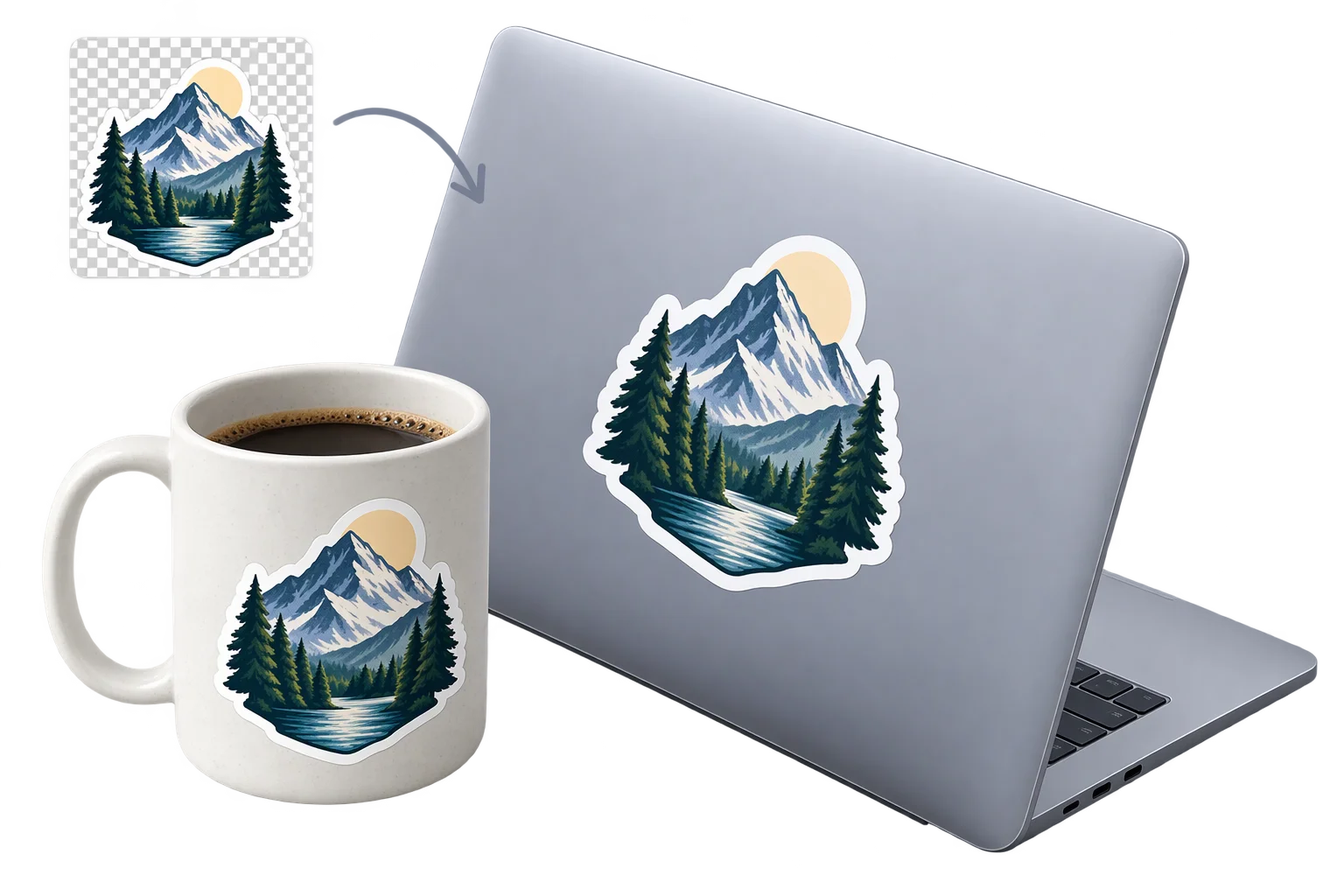
Instant photo cutouts and die-cut 3D stickers
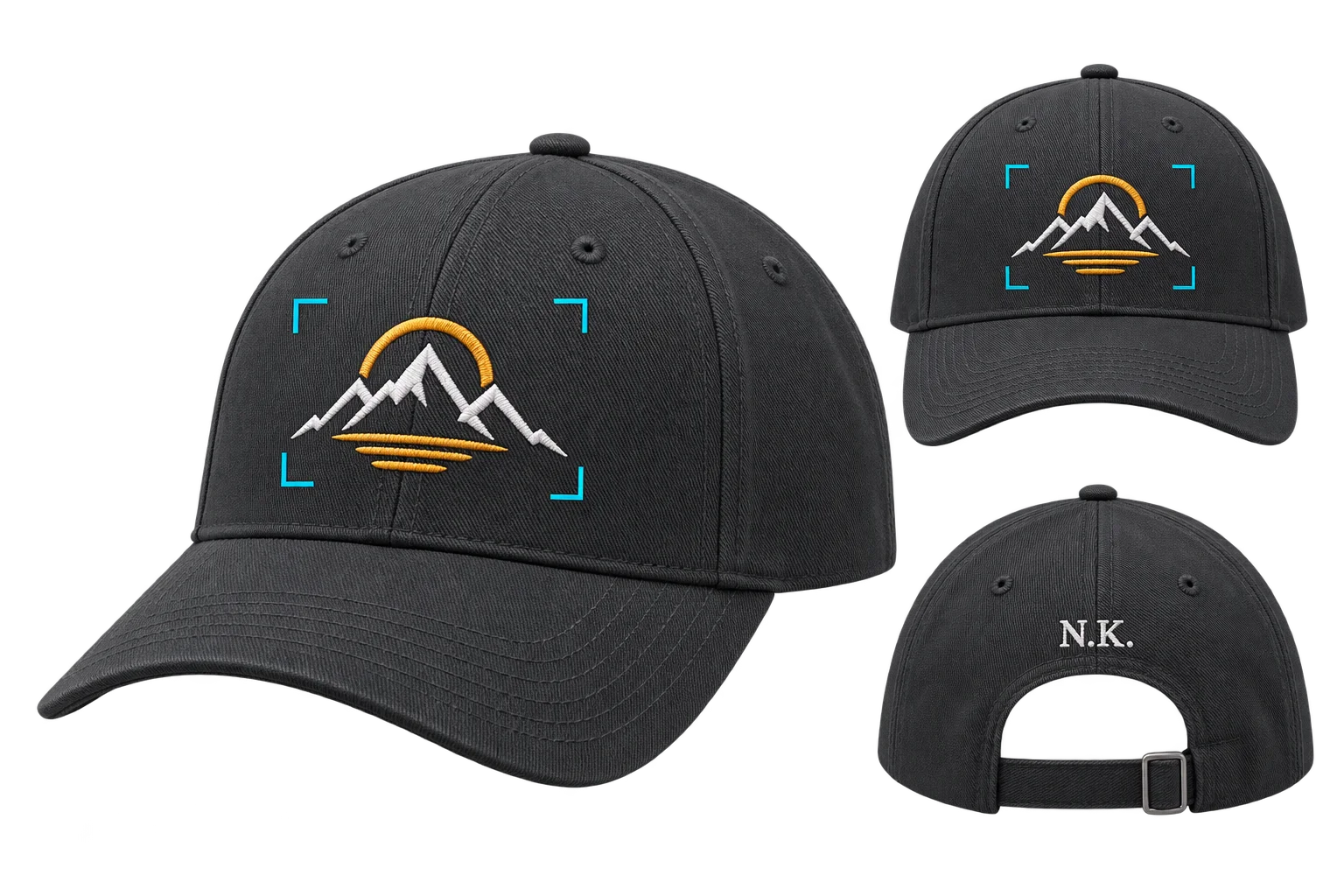
Buyer-approved visual proofs attached to every order
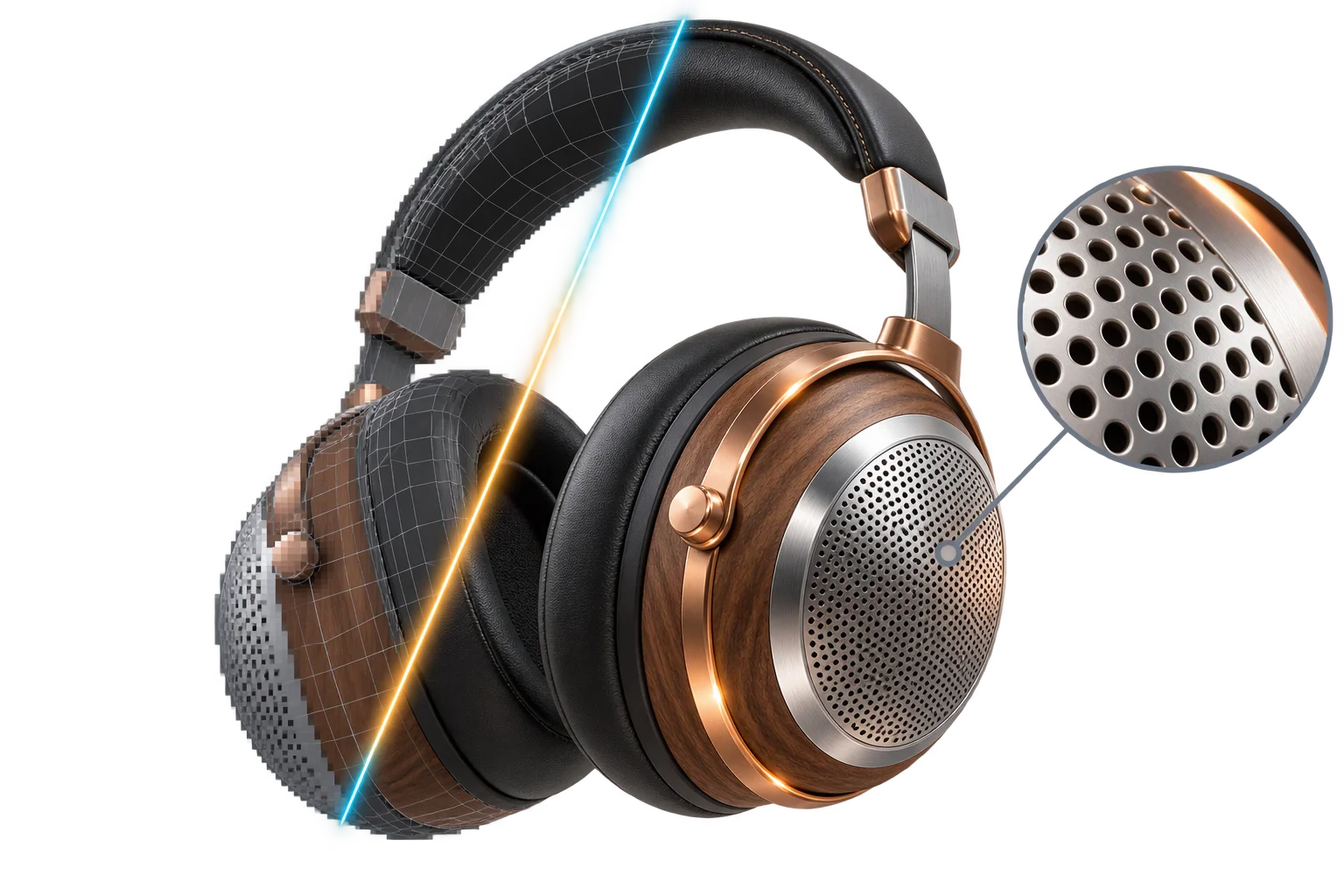
Crisp anti-aliased metallic edges and studio polish