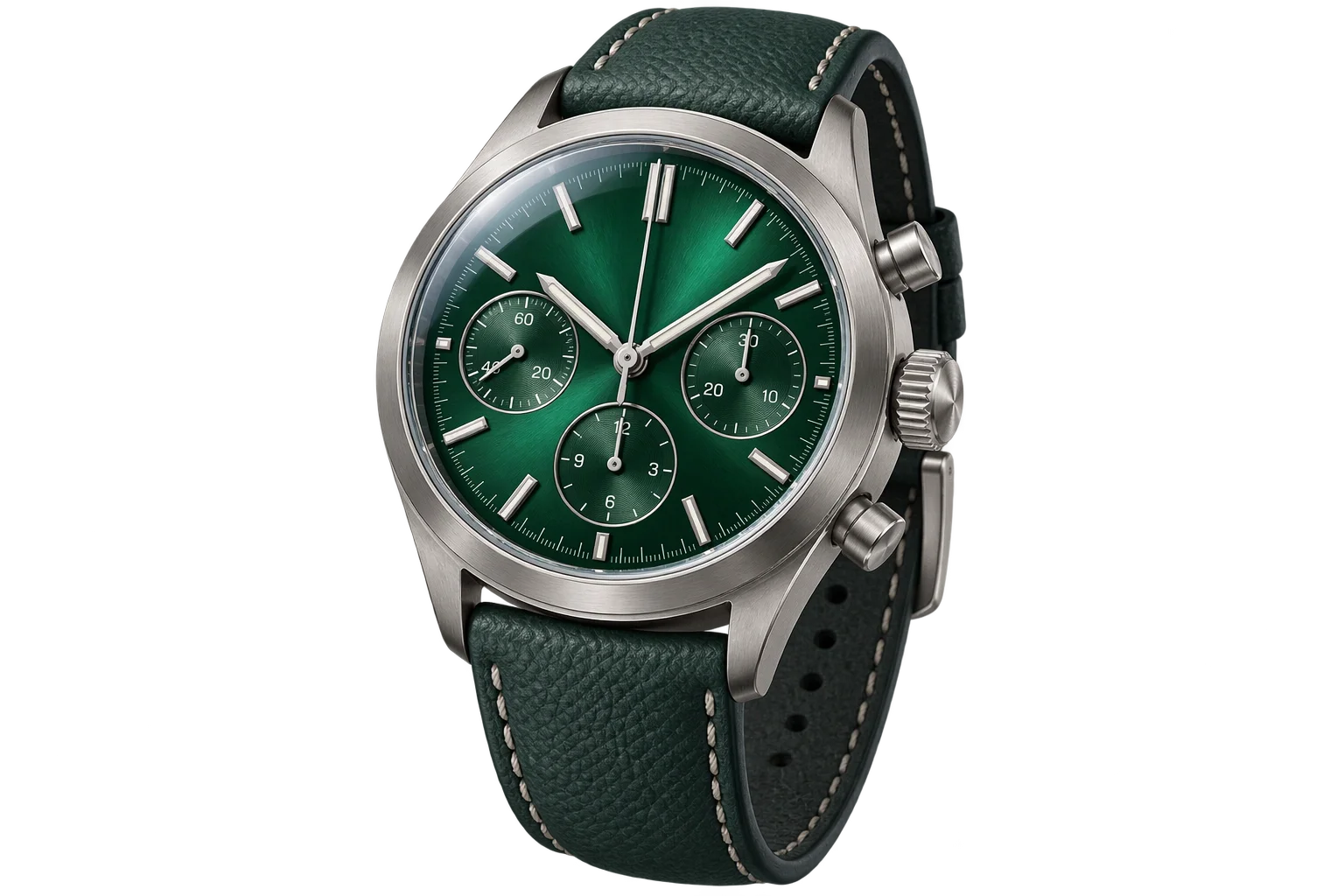
True-to-life 3D mirrors, chrome, and floor reflections
Static HDRI environment maps reflect a generic room rather than the actual product sitting on the floor or in front of a mirror. Aircada's planar reflector effect computes a virtual reflection camera across any flat surface, blending live perspective-accurate reflections with depth-based floor fade, optional surface distortion, and automatic mobile resolution caps.
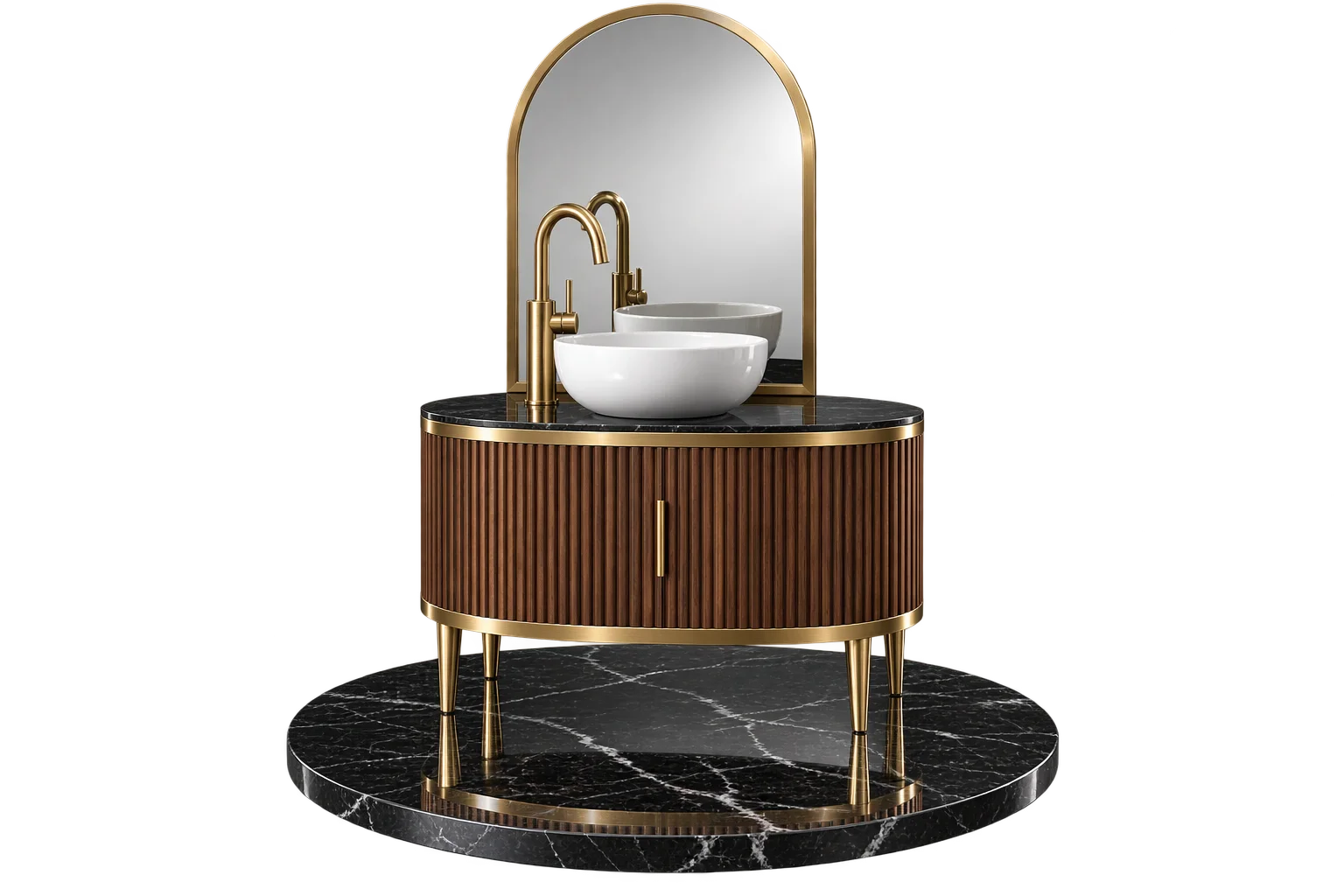
Static environment maps vs true self-reflections
Standard PBR metallic materials rely on pre-baked HDRI environment maps to simulate shine. While that works well on curved chrome knobs and trim, it breaks down completely on flat mirrors and polished showroom floors. An HDRI cannot reflect the customized product itself: if a shopper configures a bathroom vanity, a mirrored wardrobe door, or a motorcycle parked on an epoxy showroom plinth, a static environment map will never show the chosen faucet finish in the mirror or the custom wheels reflected on the floor.
Aircada solves this with a virtual-camera planar reflection pass integrated directly into its material shader graph. For any designated mirror or floor mesh, the engine mirrors the active camera across the surface plane, clips geometry behind the mirror via an oblique near-plane clipping frustum, and blends the live 16-bit HDR reflection with optional depth-based floor fade and normal-map surface distortion. Automatic mobile resolution clamping (1024px max on phones and tablets, 2048px on desktop) and back-face culling keep reflective product configurators fast on Shopify and headless storefronts while selected dimensions, glass tints, and finishes flow cleanly into checkout.
Transform flat planes into interactive mirrors and luxury plinths
PRODUCTION DEPLOYMENTS
Glossy automotive, marine, and industrial showroom floors
Ground heavy machinery, motorcycles, and luxury furniture on a dark polished slate or epoxy floor with depth-masked reflection fade that reflects custom wheel rims, lighting accents, and live finish swaps in real time.

Architectural mirrors, vanities, and mirrored cabinetry
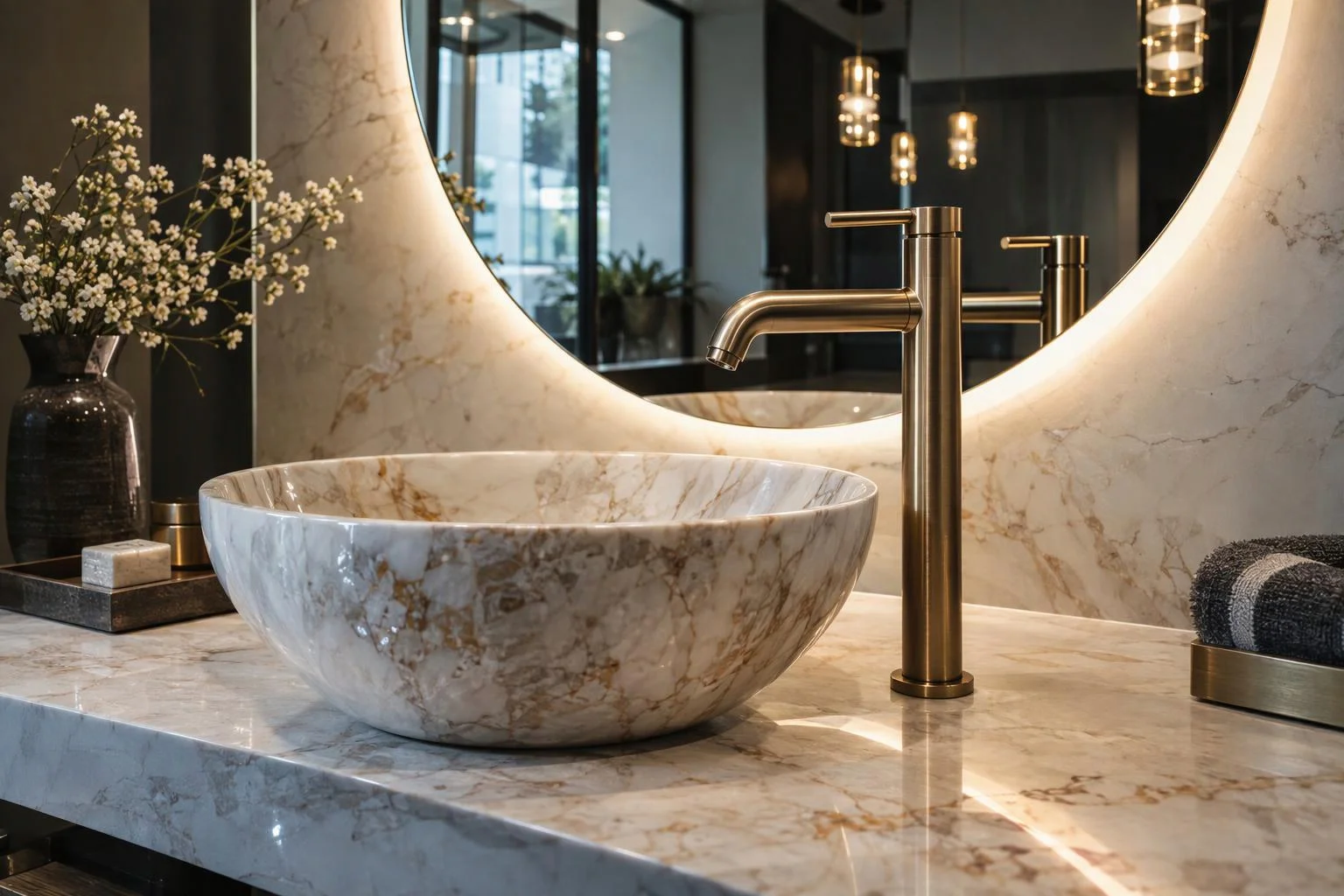
Let shoppers inspect how pendant lights, faucet finishes, and counter accessories reflect inside medicine cabinets, gym wall mirrors, and wardrobe doors as they orbit.
| Surface Profile | Recommended Studio Controls | Hardware & Visual Behavior |
|---|---|---|
| Crisp Architectural / Vanity Mirror | Resolution Scale 0.75 to 1.0, Depth Mask Off, Distortion None | Full-sharpness 16-bit HDR reflection clamped automatically to 1024 px max on mobile/tablet and 2048 px on desktop. |
| Satin Showroom Plinth / Floor | Resolution Scale 0.25 to 0.5, Depth Mask On, Depth Factor 0.3 to 0.7 | Softens and fades reflections naturally with distance from the contact surface while cutting offscreen fill cost. |
| Transparent Reflective Overlay | Depth Mask On, Depth Transparency On, Depth Factor 0.4 to 0.8 | Outputs reflection alpha driven by depth distance so polished studio floors fade smoothly into storefront page backgrounds. |
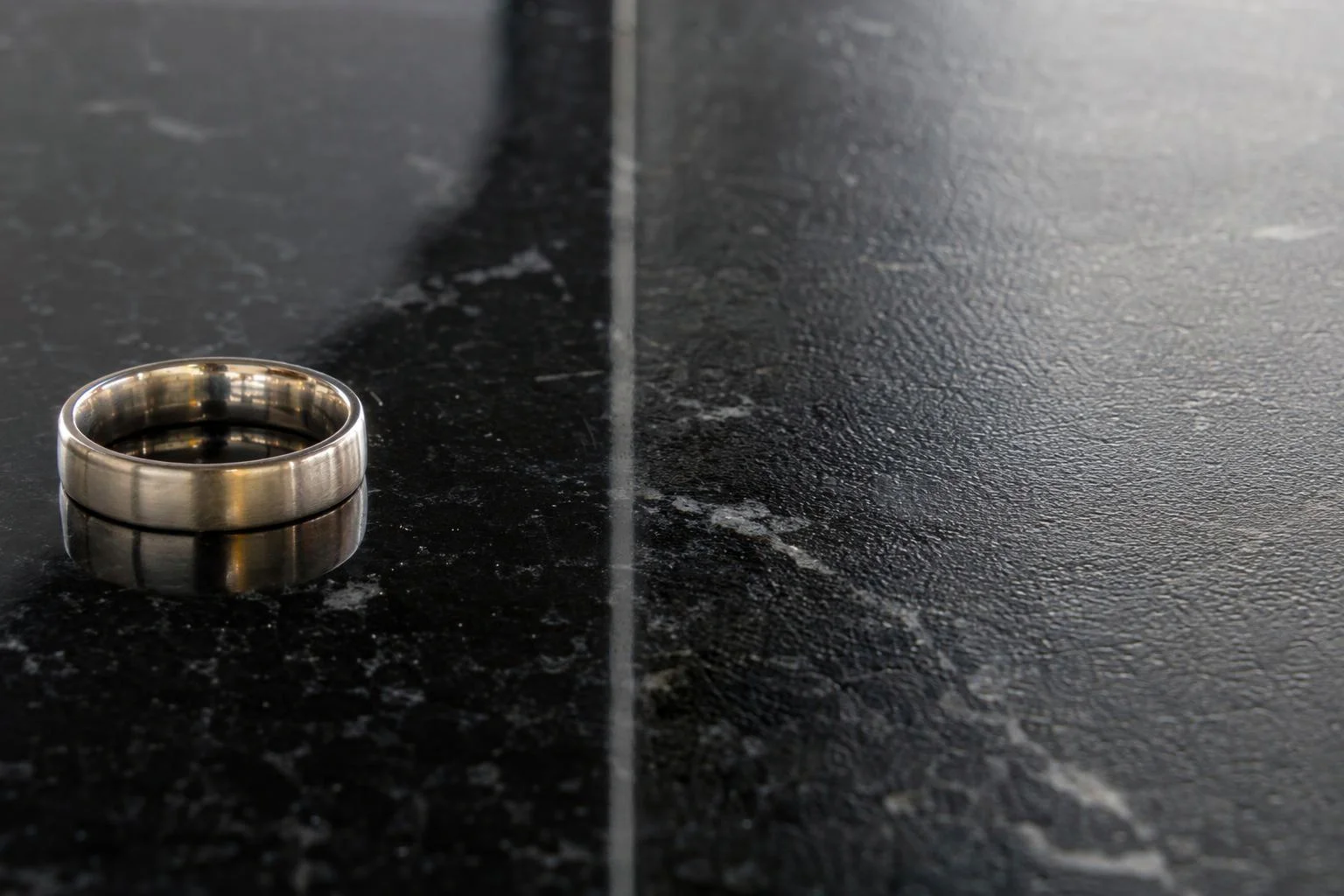
| Textured Stone, Tile, or Rippled Glass | Normal/Flow Texture assigned, Distortion Scale -0.1 to 0.1, Tiling 0.1 to 20 | Perturbs reflection UVs across grout lines, hammered glass, or water ripples without requiring extra geometry. |
| Multi-Mirror Environments | Reflects Others (Bounces) On | Allows mirrors to reflect secondary reflective surfaces with an automatic recursion cap of 2 to prevent infinite render loops. |
Engineered for visual realism and frame-budget control
REFLECTION GRAPH ARCHITECTURE
Perspective-correct virtual camera mirroring
On every frame where the camera faces the reflective plane, Aircada mirrors the main camera's world position, look-at target, and up-vector across the plane normal and preserves custom zoom/pan offsets. The resulting 16-bit HDR texture maps in screen space with zero parallax drift at any viewing angle.
Oblique near-plane clipping prevents ghost artifacts
Without custom frustum clipping, wall framing or objects sitting behind a mirror would bleed into the reflection. Aircada replaces the virtual camera's near plane with an oblique clipping plane aligned directly to the mirror surface, cleanly discarding geometry behind the reflector.
Depth-masked contact fade and normal-map distortion
Enabling Depth Mask generates a companion depth pass so reflections stay crisp right where tires, chair legs, or bottles touch the floor and fade smoothly with distance. Pairing an optional normal or flow map perturbs reflection coordinates for hammered glass, rippled water, or textured stone.
Back-face skipping, mobile VRAM clamp, and automatic cleanup
If the shopper orbits behind a one-sided mirror or beneath a floor plane, or if the reflective mesh is hidden, the engine skips the reflection pass completely. Resolution Scale adjusts from 0.0625 to 1.0 while automatically clamping maximum buffer dimensions to 1024 px on mobile and 2048 px on desktop, and freeing GPU render targets cleanly whenever a material rebuilds or unmounts.
Where real-time planar reflections build buyer confidence
COMMERCIAL USE CASES
Bathroom vanities, LED mirrors, and closet systems
Show true-to-life reflections of sink hardware, countertop stone veins, and surrounding fixtures inside configurable mirror frames (up to 2048 px on desktop, 1024 px cap on mobile).
High-end furniture, watches, and electronics plinths
Add a subtle depth-faded reflection on a dark studio floor to give products physical weight and editorial polish without distracting from the item.
Polished granite countertops and textured glass panels
Reflect objects resting on top of a table or kitchen island directly into the surface below, with optional normal-map distortion for fluted or rippled finishes.
Responsibility Tiers
- 1 Native Aircada layer
- 1 Aircada Configuration layer
- 1 Custom Implementation layer
- 1 External layer
Responsibility Boundaries for Planar Surface Reflections
How Aircada's virtual reflection camera, Studio material effect controls, and 3D mirror meshes divide responsibilities.
Virtual reflection camera, oblique frustum clipping, back-face skip & VRAM clamp
- Native Aircada
- Real-time camera mirroring across the reflector plane, oblique near-plane clipping, 16-bit HDR render target synthesis, automatic 1024 px mobile / 2048 px desktop cap, bounce depth cap (max 2), and render-target disposal.
Resolution scale (0.0625 to 1.0), depth fade, bounces & surface distortion
- Aircada Configuration
- Configured in Aircada Studio's Reflector material effect panel using Resolution Scale, Depth Mask, Depth Transparency, Depth Factor, Reflects Others, and Normal/Flow Distortion settings.
Option-driven mirror finish swaps (Clear Silver, Smoked Bronze, Antique Tinted)
- Custom Implementation
- Binding base color tints, depth factors, or distortion textures to customer mirror or floor finish selections inside your configurator.
Modeling planar mirror glass or showroom floor meshes with outward normals
- External
- Providing flat, clean polygon planes with consistent outward surface normals for mirrors, tabletops, or studio floors.
Frequently Asked Questions
How is a planar reflection different from an HDRI environment map?
Can I make a floor reflection subtle and faded instead of a 100% sharp mirror?
How do live mirror and floor reflections stay safe on mobile phones?
Can a textured stone, tile, or wavy glass surface use planar reflections?
Clean up customer uploads with AI background removal
Explore Aircada's cloud AI plugins, starting with automated high-resolution alpha matting and interactive segmentation for customer photos and logos.
Related capabilities
Explore the adjacent capabilities and integrations that pair with this workflow.
Realistic 3D glass refraction for bottles and gems
Auto-resizing studio floor shadows for 3D models
Live video playback on 3D screens and displays