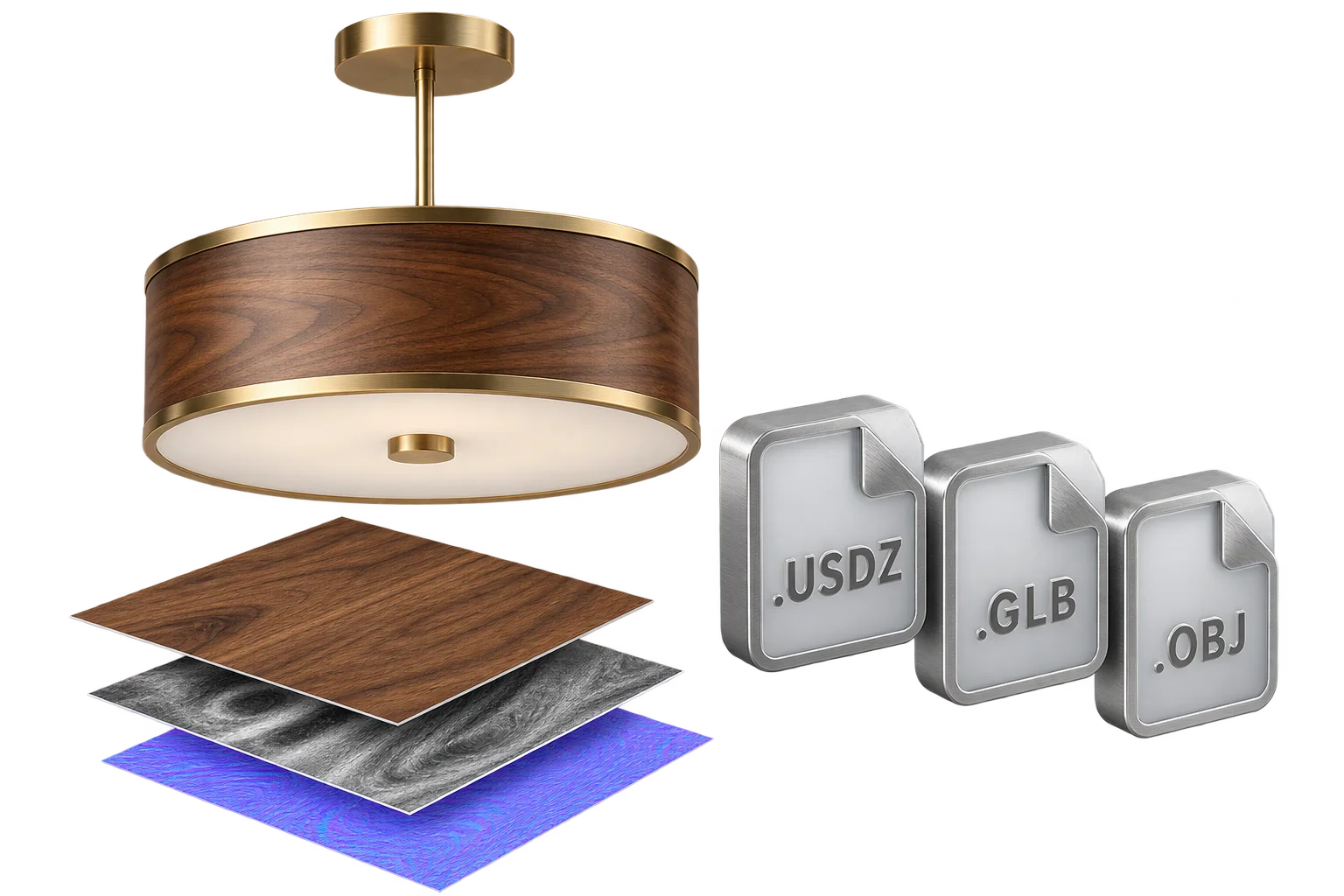
Custom 3D shaders for knits, foil stamps, and weaves
Pre-rendering thousands of static texture files for every color, stitch pattern, and engraved or metallic finish slows down catalog launches and mobile browsers. Aircada renders live knit weaves, surface engravings, bounded decals, glass optics, and color grading directly on your 3D product at smooth frame rates.
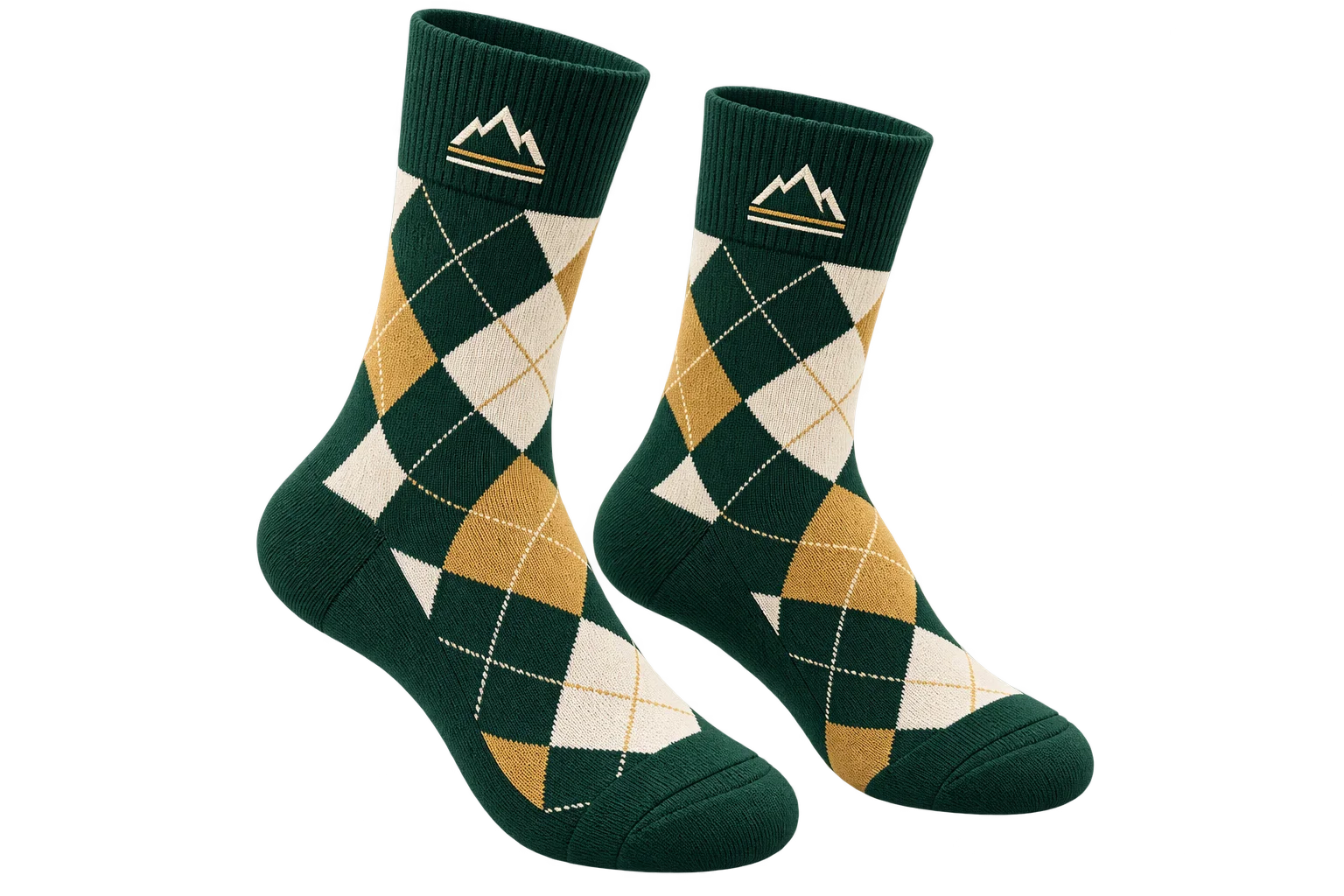
Parametric knit and merch patterns calculated per pixel
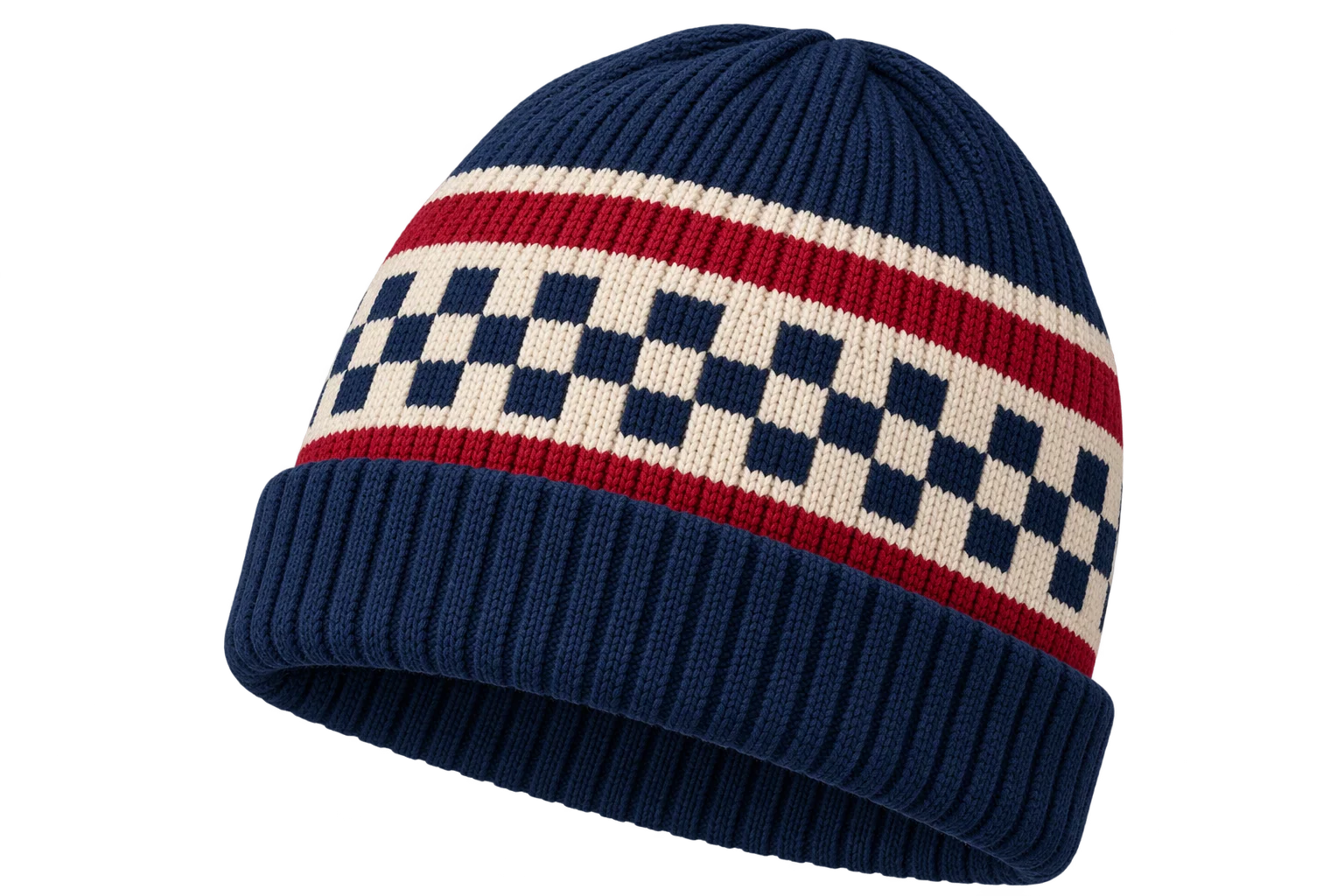
Generate checkerboard, classic argyle with cross-stitch lines, athletic stripes, and staggered polka dots live on socks, knit beanies, and textiles without storing pre-baked pattern libraries. Edges stay sharp at macro zoom levels and remain safe on mobile GPUs.
Decal scatter, embossed foil marks, refraction, and color grading
Layer customer logos cleanly over procedural patterns, press recessed or raised foil and laser marks into metallic surfaces, tune multi-bounce optical refraction, or grade surface colors dynamically without swapping 3D models.
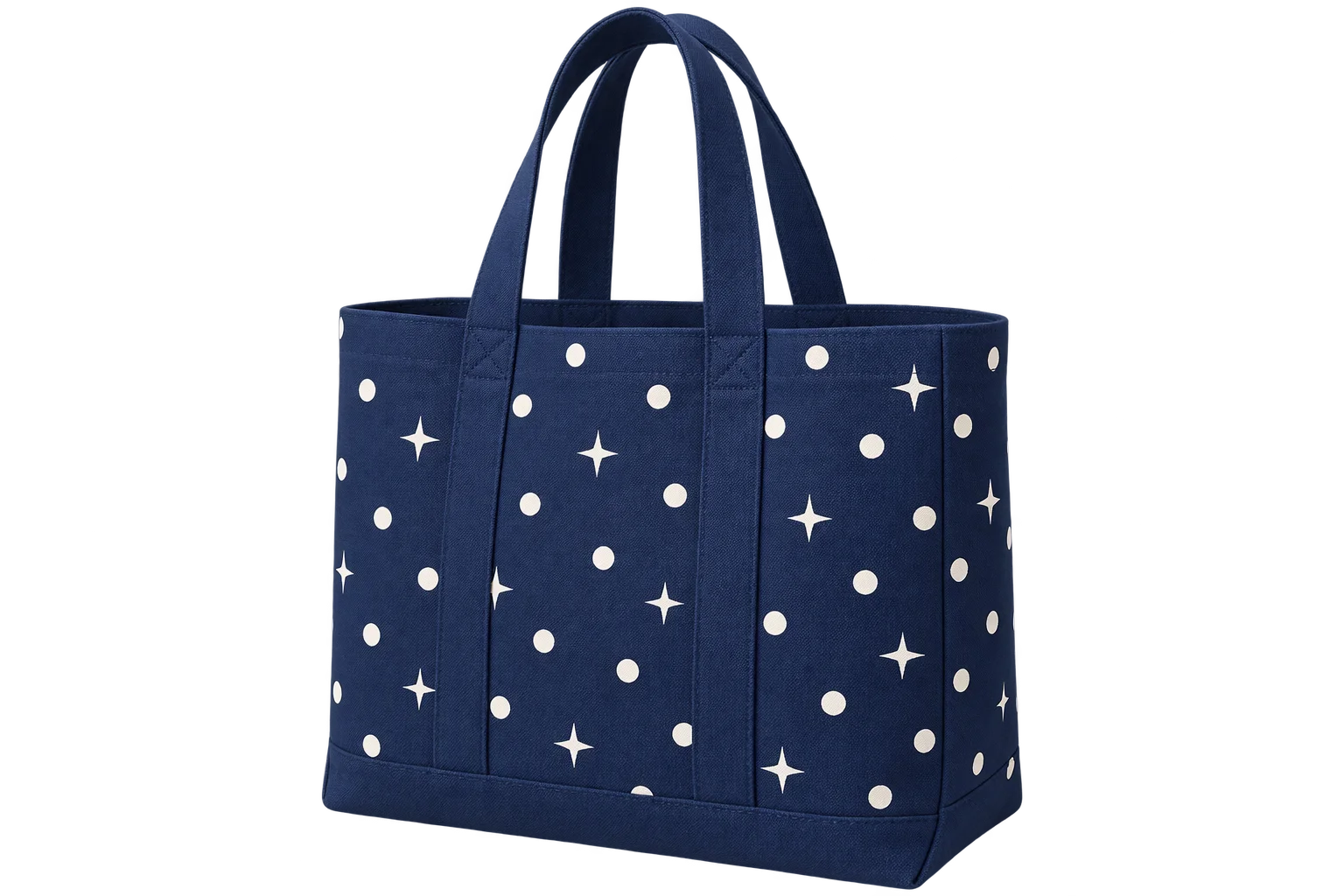
Pre-rendered texture libraries collapse under combinatorics
Brands selling customizable socks, knitwear, engraved hardware, glass packaging, or multi-finish merchandise quickly hit a wall with static texture sheets. Every combination of stripe width, argyle angle, eight-color team palette, metallic foil accent, and logo placement multiplies the asset count until storing and downloading pre-baked images stalls both catalog launches and mobile shoppers.
Stackable GPU shader effects replace pre-exported texture grids with lightweight mathematical rules evaluated directly on the visitor's graphics chip. Instead of downloading a fresh 2K image every time a shopper nudges a color or pattern slider, the browser updates lightweight shader parameters instantaneously while mapping each active pattern, palette slot, and decal layer straight to SKU pricing and Shopify or headless checkout metadata for production.
Live patterns, engravings, and surface effects built for real products
Aircada ships 22 modular shader effects registered across four rendering pipelines (materials, post-processing, particles, and interactive brushes), alongside dedicated material effects for surface engraving and reflections. Built-in layers cover live color grading (brightness, contrast, hue, saturation, vibrance, and RGB channel balance), bounded surface decals with aspect-preserving fit modes, recessed or raised embossing depth for foil and laser marks, and multi-bounce optical refraction with tunable index-of-refraction values from 1.0 to 3.0.
On top of those core layers, parametric shaders solve product-specific merchandising needs. For example, our apparel pattern shader generates checkerboard, classic argyle with cross-stitching, athletic stripes, and staggered polka dots using one base color, up to eight palette slots, adjustable repeat density, rotation angle, randomness, and up to four scattered or hero logos.
Non-destructive stacking with Studio guardrails
Merchandising teams do not write shader code to configure or constrain these effects. Studio operators expose only approved presets, brand color palettes, and safe slider ranges such as pattern scale from 1 to 25, pattern rotation from 0 to 180 degrees, or decal bounds locked to valid printable zones.
Because every effect evaluates non-destructively in a deterministic stack, shoppers can mix colorways, toggle logo scatter, adjust engraving depth, or tune glass refraction in real time without reloading 3D geometry. When a product line calls for a signature jacquard weave, anodized fade, or specialty optical treatment, bespoke procedural shaders plug cleanly into the exact same Studio parameter controls.
| Effect Family | Verified Controls & Bounds | Product & Merchandising Use |
|---|---|---|
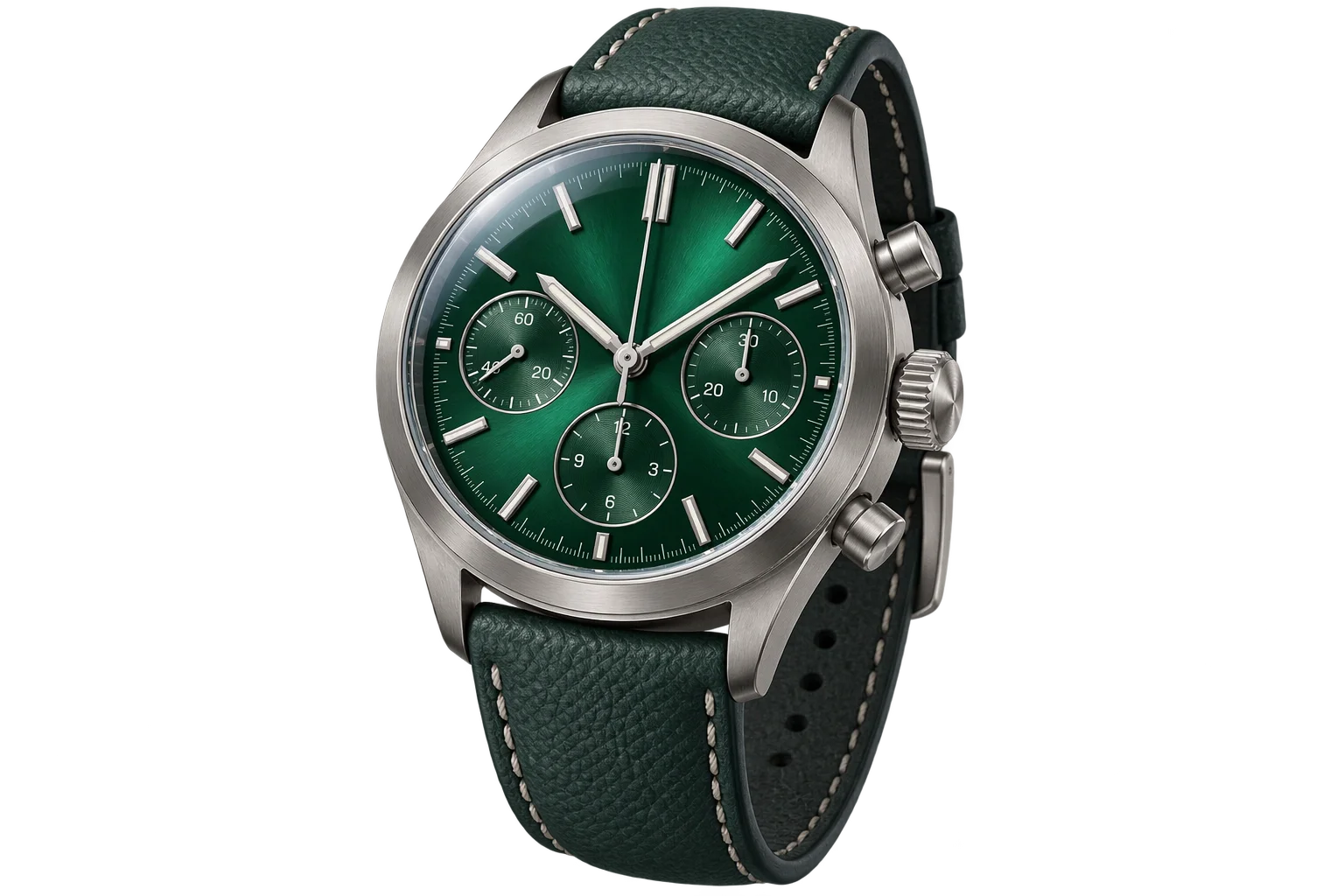
| Procedural Apparel Patterns | 4 presets (Checkerboard, Classic Argyle, Athletic Stripes, Polka Dots); 1 base + 1 to 8 palette colors; scale 1 to 25; rotation 0 to 180 deg; stripe thickness 0.05 to 1.0; dot radius 0.05 to 0.4; randomness 0 to 1 | Renders sharp knit weaves, athletic stripes, and multi-color yarn grids on socks, beanies, and textiles with zero pre-baked pattern files. |
| Pattern Logo Compositing | 0 to 4 uploaded customer images; Scatter dual-grid, Single Hero Logo, or pattern-only mode; image scale 0.1 to 2.0; rotation 0 to 360 deg; hero X/Y placement 0 to 1 | Layers brand emblems or buyer logos directly over procedural apparel patterns without flattening separate texture assets. |
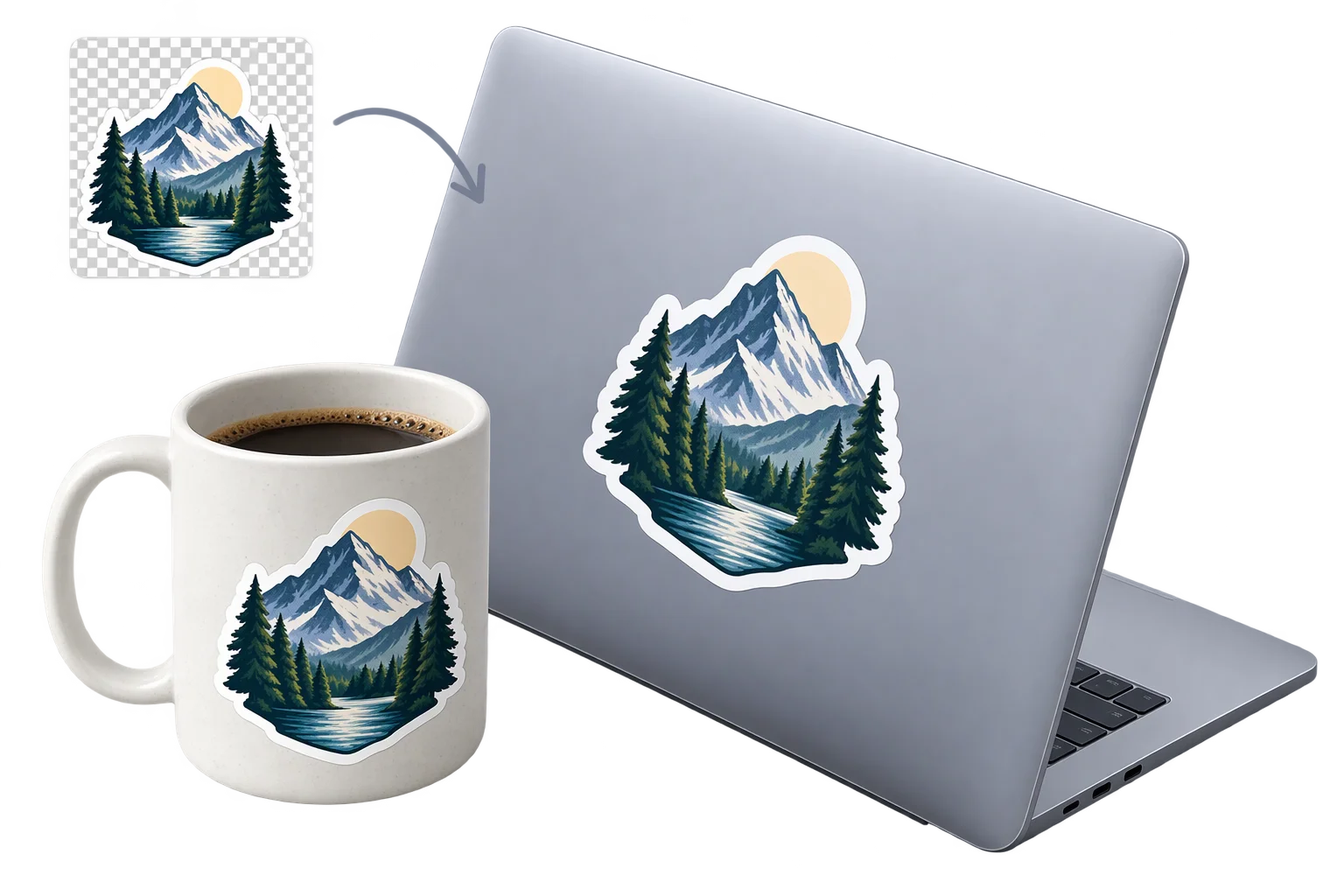
| Bounded Surface Decals | Cover, Contain, or None aspect fit modes; dual-range X/Y bounds; angled border clipping; solid, dashed, or dotted guide outlines; edge feathering and color blend | Locks uploaded artwork and metallic foil marks inside approved press or embroidery zones on curved 3D geometry. |
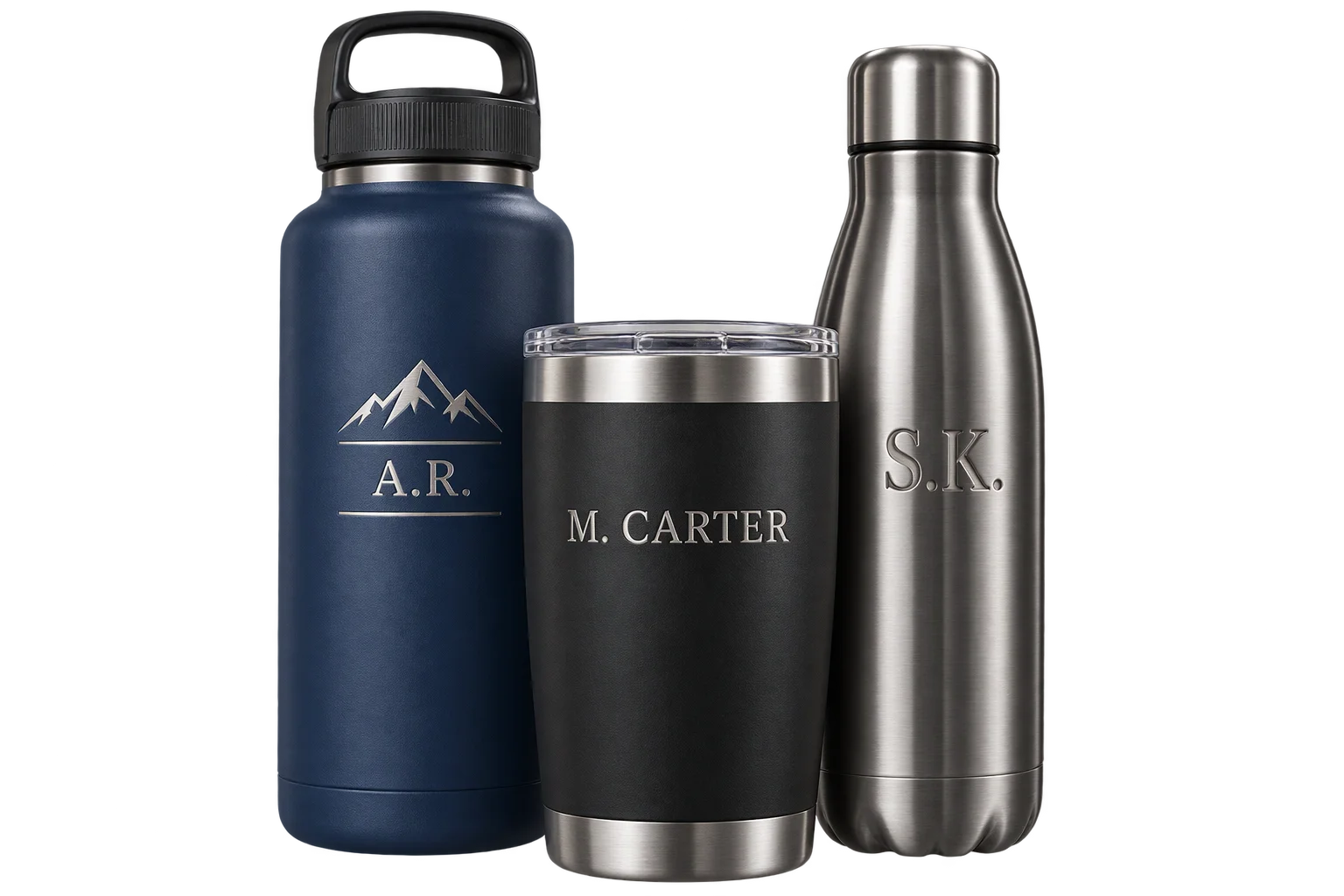
| Surface Engraving & Emboss | Continuous depth from -1.0 (inward deboss/etch) to +1.0 (outward emboss); substrate color mix 0 to 1; optional emissive glow tint | Simulates laser-etched steel, stamped leather monograms, and raised molded housing logos without altering base geometry. |
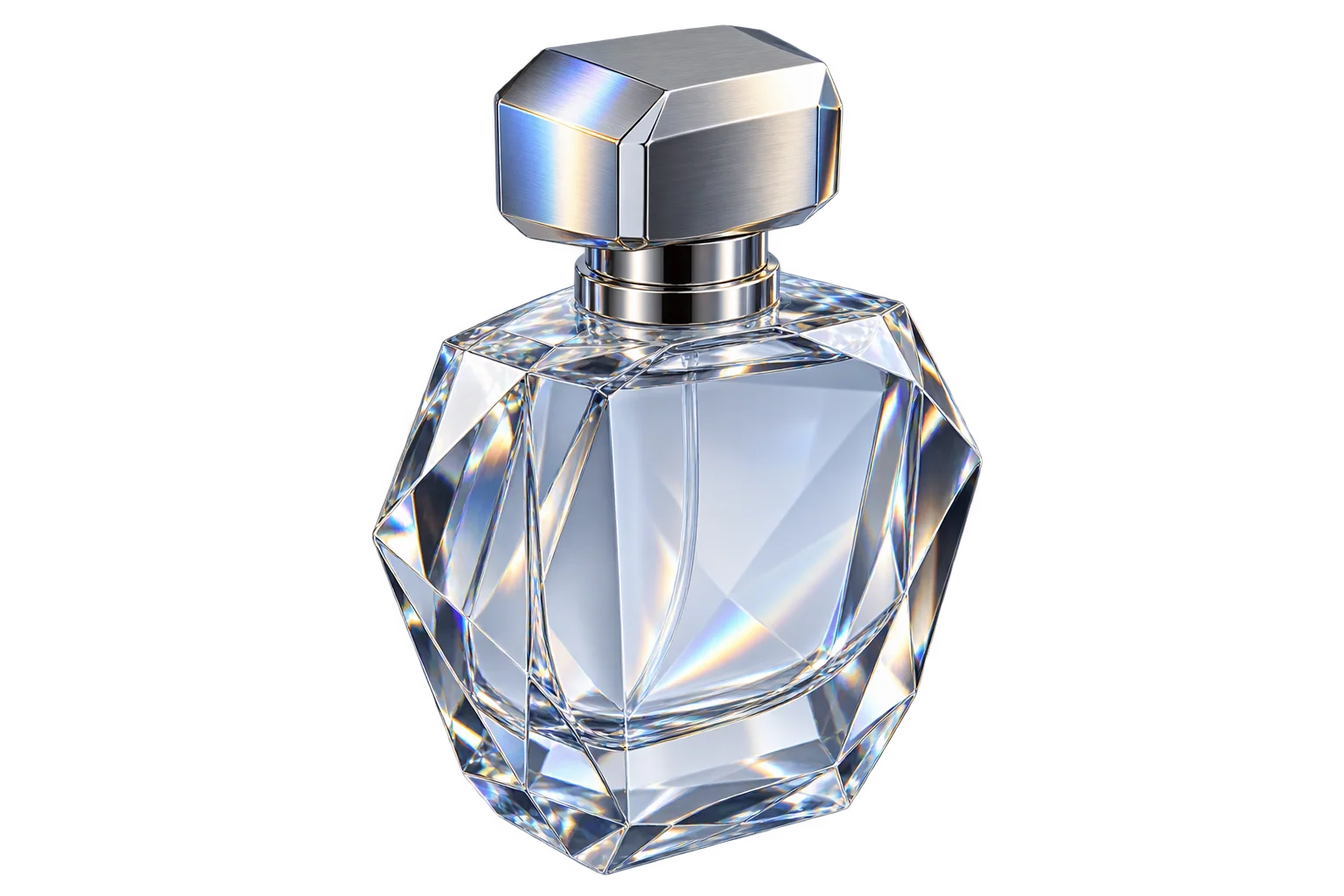
| Multi-Bounce Optical Refraction | Index of Refraction 1.0 to 3.0; 1 to 8 internal light bounces; RGB chromatic aberration 0.0 to 0.1; Fresnel rim 0.0 to 1.0; RGBA tint | Previews faceted gemstones, watch crystals, and luxury glass housings with realistic prism dispersion on mobile browsers. |
| Live 9-Channel Color Grading | Brightness, contrast, hue, saturation, vibrance, color invert, and independent Red, Green, and Blue channel multipliers | Drives dozens of curated seasonal colorways from a single neutral master texture without multiplying catalog texture downloads. |
Responsibility Tiers
- 1 Native Aircada layer
- 1 Aircada Configuration layer
- 1 Custom Implementation layer
- 1 External layer
Responsibility Boundaries Across Custom Surface Finishes
How native effect pipelines, Studio parameter bounds, and custom shader math divide responsibility.
GPU shader graph, 22-effect shared registry & material engraving pipeline
- Native Aircada
- Modular effect execution across materials, post-processing, particles, and brushes, including apparel patterns, bounded decals, surface engraving, multi-bounce refraction (IOR 1.0 to 3.0), and live color grading.
Approved presets, palette slots & geometry bounds
- Aircada Configuration
- Studio setup of allowed pattern presets, 1 to 8 palette colors, pattern scale (1 to 25), rotation (0 to 180 degrees), engraving depth, and logo scatter or printable boundary limits.
Bespoke procedural shaders for specialty finishes
- Custom Implementation
- Optional custom shader modules for signature weaves, anodized gradients, foil textures, or product-specific procedural math wired into Studio controls.
Base UV-unwrapped 3D meshes & factory production programs
- External
- Clean 3D product geometry from CAD or Blender, factory knit machine programs, and downstream print or die-stamping production setup.
Frequently Asked Questions
What are modular material effects in Aircada?
Can Aircada build a custom procedural finish or pattern for our specific product?
How does procedural pattern rendering stay sharp on mobile devices?
Can shoppers combine uploaded logos with procedural surface effects?
Custom surface finishes built for your product line
When off-the-shelf material sliders cannot capture a specialty weave, anodized gradient, or product-specific pattern, Aircada ships modular custom shaders wired straight into Studio.
Related capabilities
Explore the adjacent capabilities and integrations that pair with this workflow.
Instant PBR wood, metal, and fabric swatch swaps
Instant photo cutouts and die-cut 3D stickers
Preview laser engraving and monograms in 3D