Product Data & Rules
Manage structured swatch and SKU datasets, enforce buildability rules, and drive made-to-measure dimensions and modular assemblies from one deterministic rule layer.
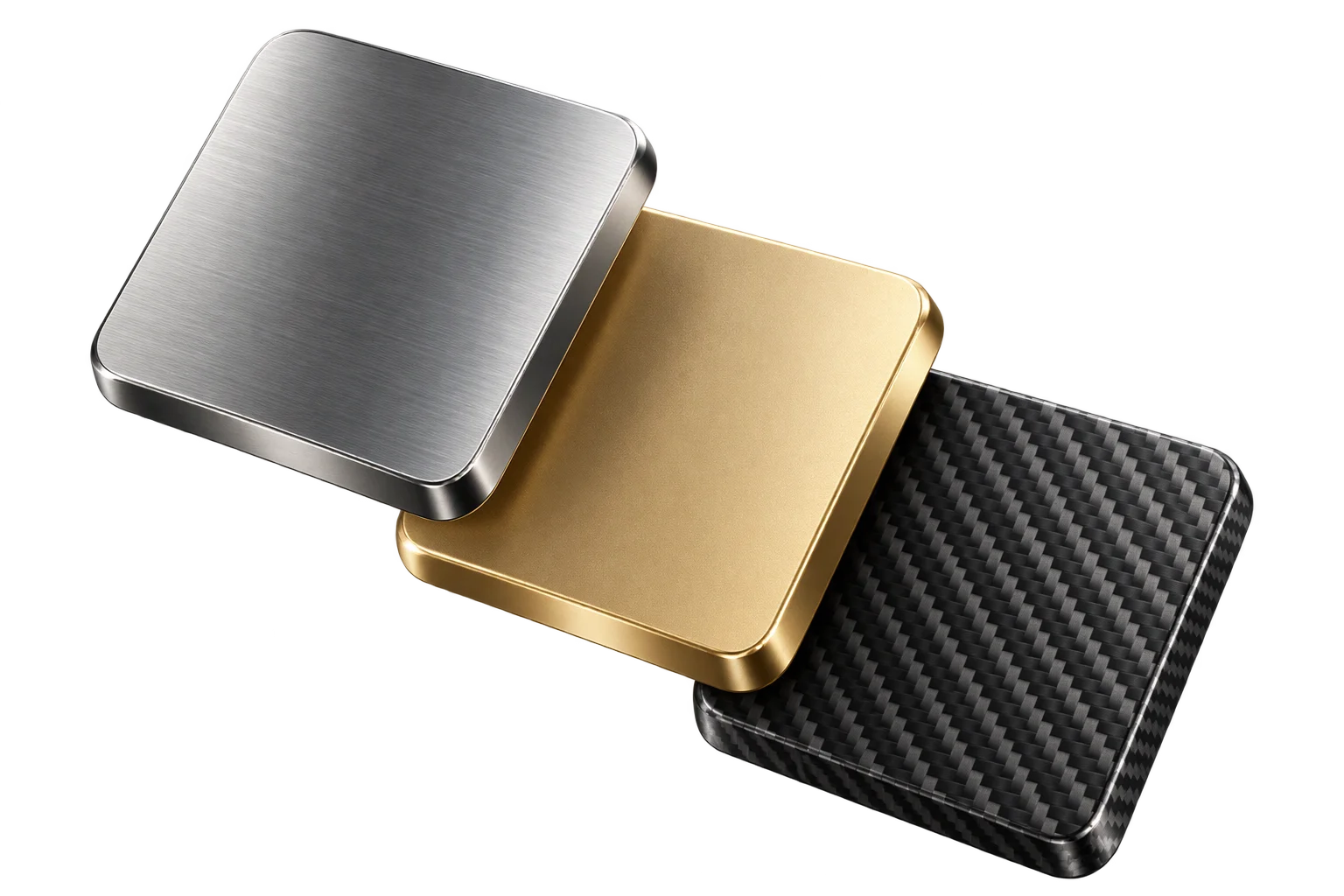
What product data and rules do in configurable 3D commerce
Product data and rules form the deterministic layer inside Aircada's configurable commerce platform that binds catalog swatches, SKUs, compatibility constraints, custom dimensions, and modular connections directly to a live 3D product scene. Every option a buyer selects is validated against manufacturing rules before it reaches pricing or checkout.
High-combination catalogs break down when incompatible hardware pairings, unbuildable dimensions, or hardcoded swatch lists reach checkout. Storing every SKU and constraint inside frontend code turns routine seasonal finish updates into engineering tickets.
Spreadsheet-driven 3D swatches, SKUs, and pricing
Conditional product rules and part compatibility
Made-to-measure 3D sizing with true-scale textures
Snap-together modular 3D product assemblies
Separate catalog data from storefront code
Merchandising teams maintain hundreds of finishes, part SKUs, and option surcharges inside structured option datasets in Aircada Studio. Those tables bind directly to 3D materials, part visibility, and pricing tiers with automated reference validation before publication.
When a product requires cross-option dependencies, conditional product rules hide incompatible choices, auto-adjust dependent components, and block unbuildable combinations live in both the 3D viewport and option UI.
Support made-to-measure sizing and modular assemblies
Standard 3D mesh scaling stretches woodgrain textures and distorts corner bevels. For enclosures, signage, or furniture sold by dimension, parametric product sizing rebuilds geometry and arc-length UVs in the browser so textures and hardware proportions stay accurate at every measurement.
For multi-unit builds such as shelving, cabinetry, or rack systems, modular system builders snap connected units port-to-port along exact mechanical joints as buyers add, swap, or reorder modules.
How catalog data drives valid 3D builds
One deterministic source of truth connects merchandising tables to 3D geometry and checkout.
Import swatches, SKUs, and option metadata
DATASETSOrganize finishes, part codes, dimensions, and surcharges in structured option datasets without writing frontend arrays.
Enforce cross-option buildability live
CONSTRAINTSApply conditional product rules to restrict invalid pairings and update dependent parts automatically.
Rebuild custom sizes and modular chains
GEOMETRYDrive parametric product sizing and modular snap-chain assemblies directly from validated inputs.
Pass structured specs to pricing and checkout
HANDOFFFeed resolved SKUs, dimensions, and part lists straight into live pricing and store checkout.
Proven across high-combination production catalogs
Every rule stays synchronized with live pricing, Shopify or headless checkout payloads, and shop-floor assembly specs. Cinch Gaming runs this rule layer across 50,000+ custom controller builds, and engineering teams can extend custom storefront bindings through the Aircada SDK when needed.
| Operational Problem | Aircada Capability | What Your Team Receives |
|---|---|---|
| Updating hundreds of swatches, part SKUs, and surcharges requires engineering tickets | Product Option Datasets | Structured tabular datasets bound directly to 3D materials, part visibility, SKUs, and pricing tiers with automated reference validation. |
| Shoppers submit incompatible part combinations that the factory cannot build | Conditional Product Rules | Visual cross-option compatibility logic that restricts invalid pairings, updates dependent parts live, and prevents unbuildable checkout payloads. |
| Made-to-measure products stretch woodgrain textures and warp rounded corners | Parametric Product Sizing | Browser-rebuilt parametric geometry with arc-length UVs so bevels, hardware proportions, and textures remain accurate across custom dimensions. |
| Chained modular products float apart instead of aligning at exact mechanical joints | Modular System Builders | Port-to-port 3D snap-chain assemblies with real-time position alignment as shoppers add, swap, or reorder connected modules. |
