3D Technology
Real-time WebGPU rendering, CAD-to-web compression, true-scale modular materials, responsive camera framing, interactive animations, and 1:1 mobile AR built for ecommerce.
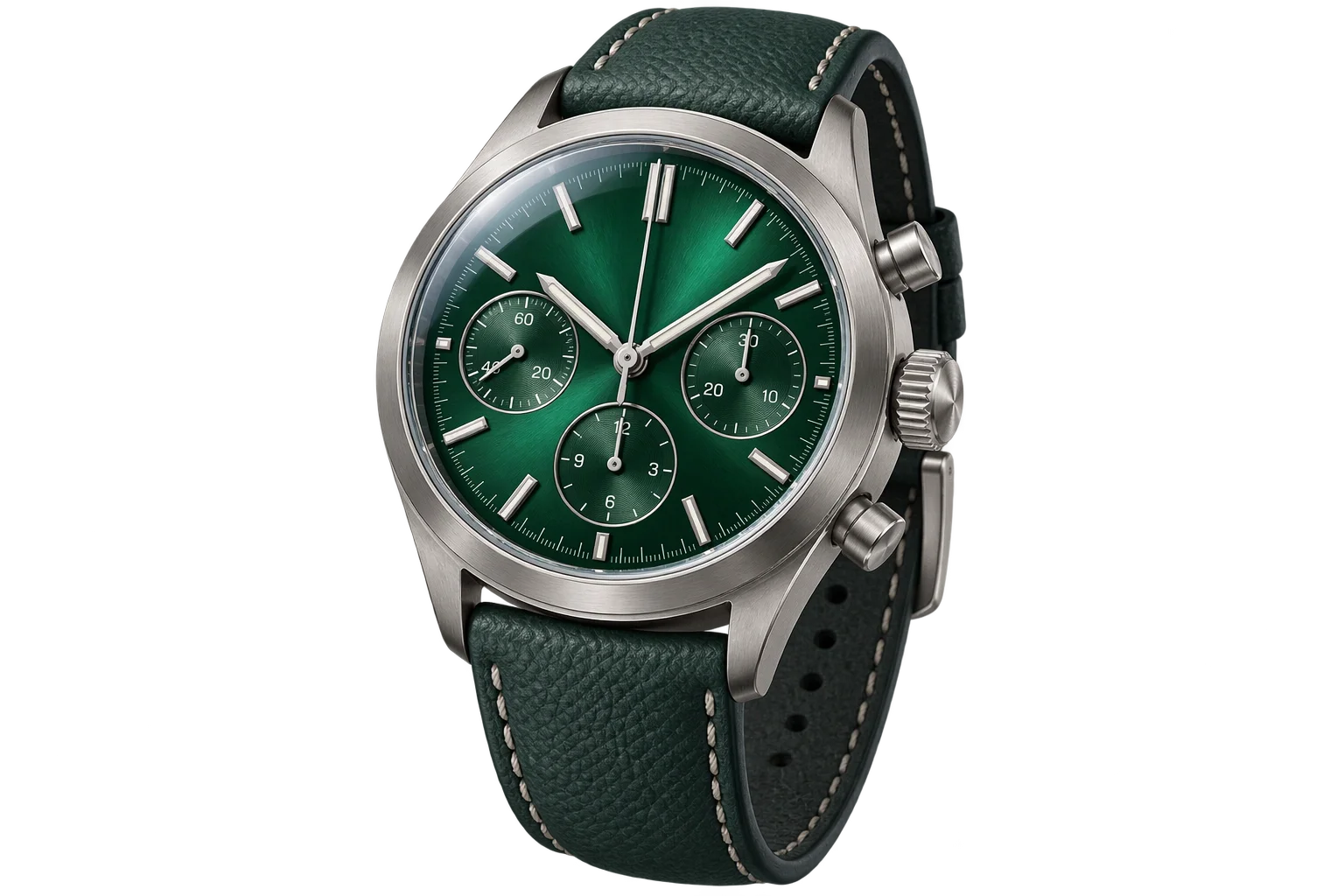
What Aircada's 3D technology layer powers
Aircada's 3D technology layer is the browser-native WebGPU and WebGL rendering engine powering our configurable commerce platform. It converts heavy engineering CAD assemblies into compact web assets, protects mobile Safari from VRAM crashes, renders physically accurate materials and lighting, and drives interactive animations, 1:1 elevation views, and native mobile AR directly inside existing product pages.
Heavy CAD exports and uncompressed 4K textures stall mobile product pages and trigger iOS Safari tab reloads on paid traffic. Aircada solves asset weight, visual realism, and runtime memory management in one unified pipeline so the exact scene shoppers approve on screen drives cart snapshots and post-checkout manufacturing files.
Engineering CAD to web-ready 3D conversion
Split one 3D model into customizable parts
Interactive 3D part animations and motion playback
Auto-centered 3D framing as product sizes change
AI-generated 360 showroom and lifestyle backdrops
True-scale wood grain and fabric across modular parts
Fast mobile 3D mesh compression for heavy CAD
Mobile Safari VRAM and 3D memory protection
GPU texture compression for fast mobile 4K finishes
Custom 3D shaders for knits, foil stamps, and weaves
Realistic 3D glass refraction for bottles and gems
Auto-resizing studio floor shadows for 3D models
Instant PBR wood, metal, and fabric swatch swaps
True-to-brand 3D studio HDRI lighting
True-to-life 3D mirrors, chrome, and floor reflections
Live video playback on 3D screens and displays
Crisp anti-aliased metallic edges and studio polish
Place customized 3D products at true scale in any room
1:1 flat orthographic elevation views in 3D
CAD ingestion, mesh splitting, and mobile performance
Teams do not have to rebuild products from scratch for the web. CAD-to-web conversion tessellates SolidWorks, Inventor, and Rhino assemblies, groups materials, and generates UVs, while mesh splitting isolates individual customizable sub-parts from one cached download and mesh compression shrinks geometry payload size for rapid startup.
On phones, GPU texture compression keeps 4K surface maps compact in VRAM, and deterministic mobile memory management disposes unused buffers cleanly and pauses idle GPU rendering to prevent Safari crashes and battery drain.
Physically accurate materials, lighting, and optical effects
Buyer trust depends on finishes looking true to real production samples. Real-time PBR materials swap metals, woods, fabrics, and coatings instantaneously without reload spinners. For modular or resized products, true-scale materials and GPU instancing lock physical woodgrain and weave dimensions while varying grain across repeated parts, and custom surface shaders render specialty knit, foil, or anisotropic finishes.
Scenes sit under calibrated studio lighting and HDRI with neutral tone mapping, grounded by auto-resizing ground shadows and sharpened at rest via viewport post-processing. Products with transparent packaging, mirrors, screens, or showroom contexts gain realistic glass refraction, planar surface reflections, mobile-safe video textures, and custom 6400x3200 AI 360 environments.
Interactive animations, camera framing, elevations, and 1:1 AR
Static spin viewers hide how products open, expand, or fit in a room. Interactive 3D animations trigger keyframe motion for lids, doors, and hardware assemblies, while adaptive viewport framing automatically re-centers the camera as parametric dimensions grow or shrink.
For technical inspection and room-scale verification, orthographic views lock flat 1:1 elevation angles with zero perspective distortion, and AR room placement launches native Apple AR Quick Look on iOS and WebXR on Android with the buyer's live finishes and artwork baked in.
From engineering CAD to fast mobile 3D and AR
Optimize once in Studio so every storefront visit loads fast and renders accurately.
Convert and split engineering CAD
INGESTCAD-to-web conversion, mesh splitting, and mesh compression turn heavy assemblies into lightweight customizable parts.
Compress textures and guard mobile VRAM
OPTIMIZEGPU texture compression and deterministic mobile memory management prevent iOS Safari reloads and battery drain.
Apply PBR materials, optics, and studio lighting
RENDERReal-time PBR materials, studio HDRI lighting, glass refraction, and ground shadows match physical samples.
Animate, frame, and preview in 1:1 AR
INSPECTInteractive animations, orthographic elevation views, and native AR room placement confirm fit before checkout.
Built for Shopify and headless production storefronts
Because this same engine drives live customization, Shopify and headless cart snapshots, and post-checkout file exports, merchants such as Skip's Garage and Cinch Gaming embed photorealistic 3D directly on product pages without sacrificing mobile speed. Developers can also extend scene behavior programmatically through the Aircada SDK.
| Operational Problem | Aircada Capability | What Your Team Receives |
|---|---|---|
| Heavy SolidWorks, Inventor, or Rhino assemblies stall web pages and lack UV maps | CAD-to-Web Conversion, Mesh Splitting, Mesh Compression | Tessellated, material-grouped, UV-mapped, and compressed 3D assets split into independently customizable parts from a single cached download. |
| 4K product catalogs crash mobile Safari and drain phone batteries | Texture Compression, Mobile Memory Management | GPU-compressed textures that stay compact in VRAM, staged startup loading, deterministic end-of-frame memory cleanup, and idle GPU pausing at rest. |
| Slow finish swatches freeze the browser or stretch wood and fabric on resized parts | Real-Time PBR Materials, True-Scale Materials & Instancing, Custom Surface Shaders | Instant swatch swaps without reload spinners, real-world inch texture locking with varied grain across repeated modules, and live knit or foil shader finishes. |
| Harsh lighting, jagged metal edges, or floating models undermine buyer trust | Studio Lighting & HDRI, Ground Shadows, Viewport Post-Processing | True-to-brand Neutral tone mapping, soft floor shadows that resize with the product, and progressive supersampling that sharpens metallic edges at rest. |
| Glass bottles, mirrors, live displays, and showroom environments look synthetic | Glass Refraction, Surface Reflections, Video Textures, AI 360 Environments | Realistic light refraction showing internal liquids and labels, perspective-accurate mirror planes, mobile-safe video textures, and 6400 x 3200 custom backdrops. |
| Buyers cannot verify moving parts, flat elevation alignments, or true room scale | Interactive 3D Animations, Adaptive Viewport Framing, Orthographic Views, AR Room Placement | Keyframe part animations, auto-centered framing as dimensions expand, 1:1 orthographic elevation views, and native iOS Quick Look and Android WebXR placement. |
